Exercise 2.5: Visualising ‘Atmosphere’ through Sketch Models (Peckham Library)

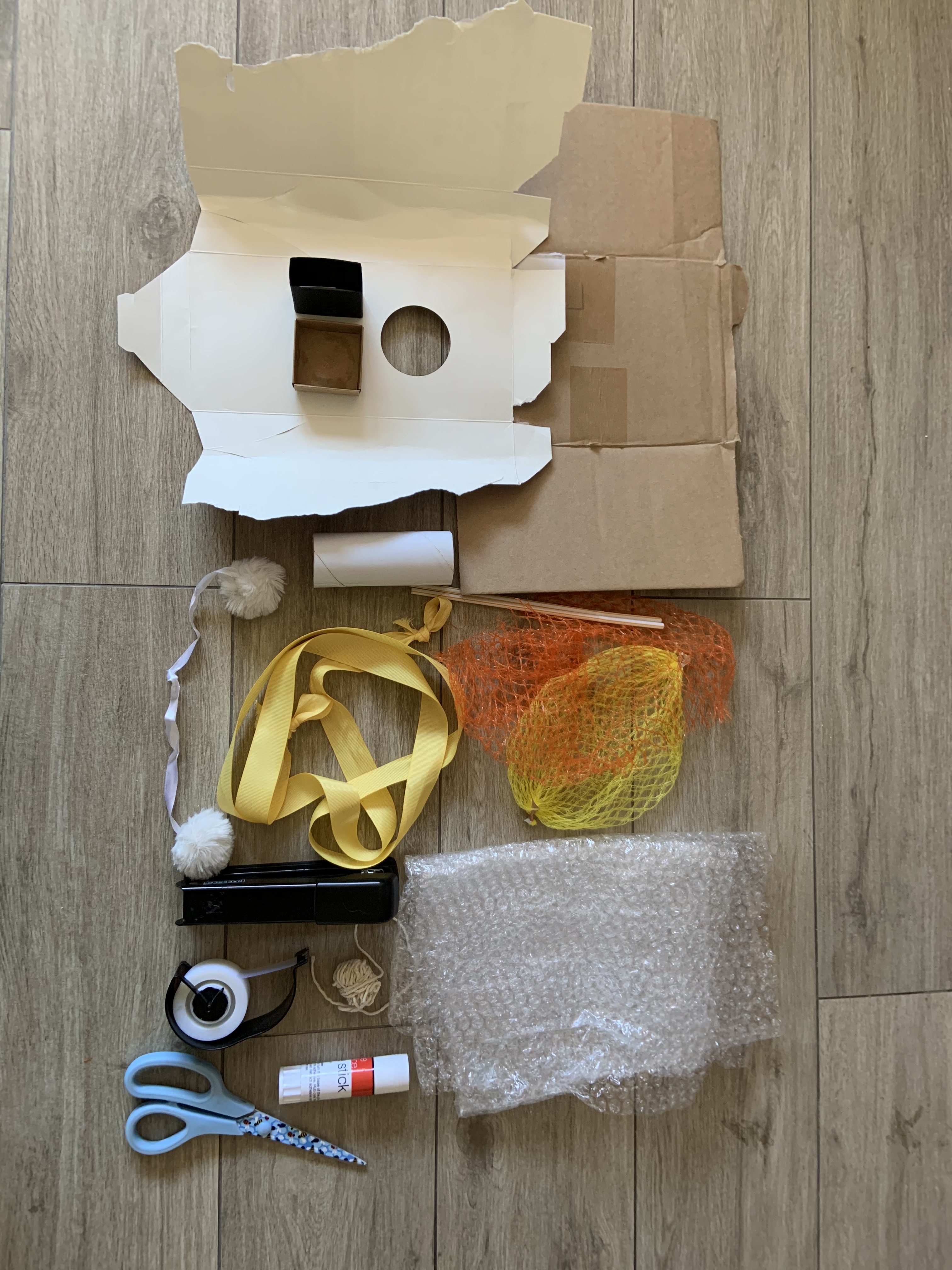
I gathered some materials, not knowing which of them I’ll need. Just collected some scraps I was hoping will be useful for this exercise.
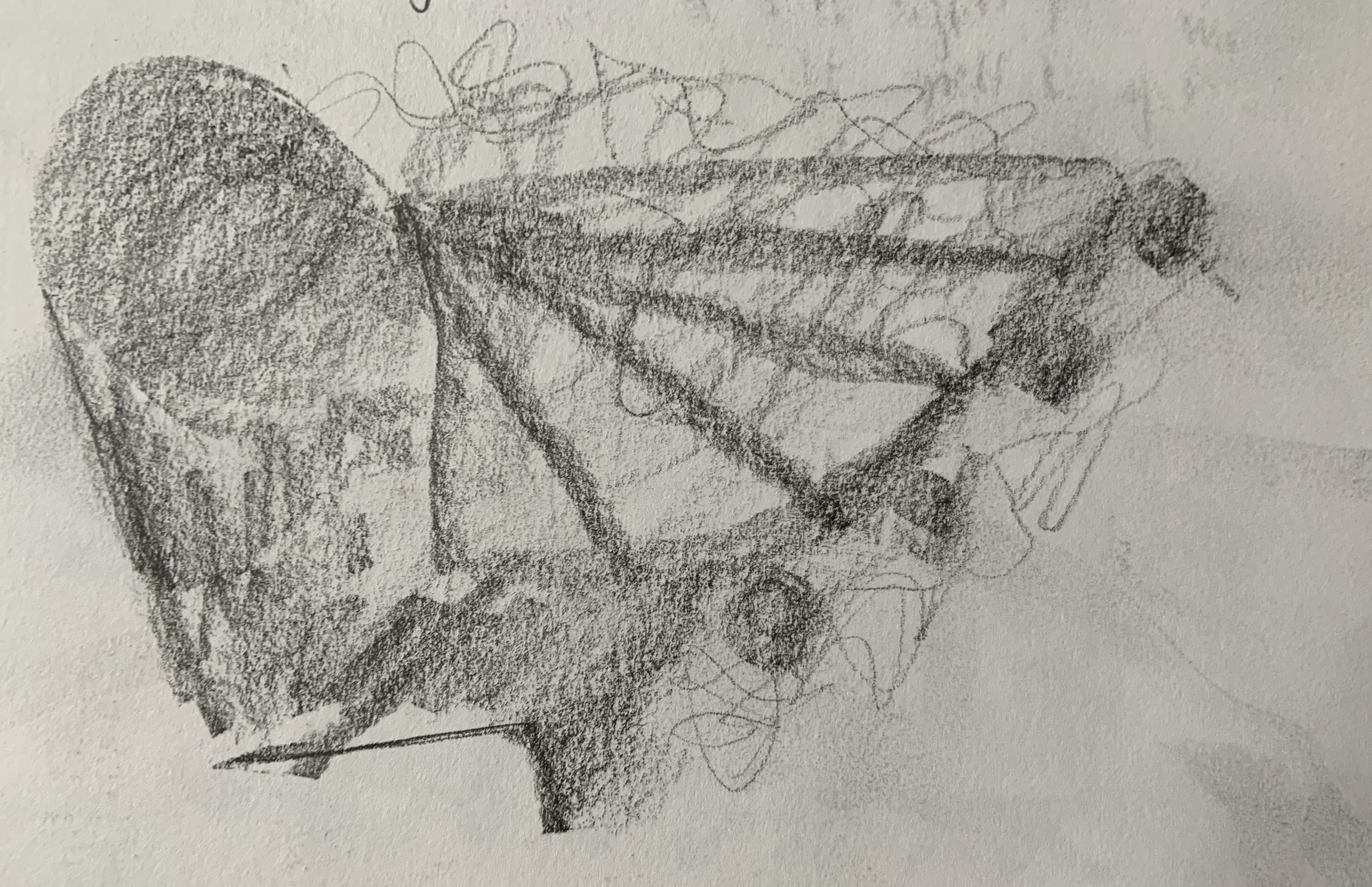
I had a look through my drawings from my second visit to Peckham Library. At first I was going to try and recreate this drawing into 3D sketch model:
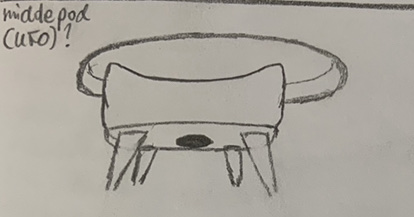
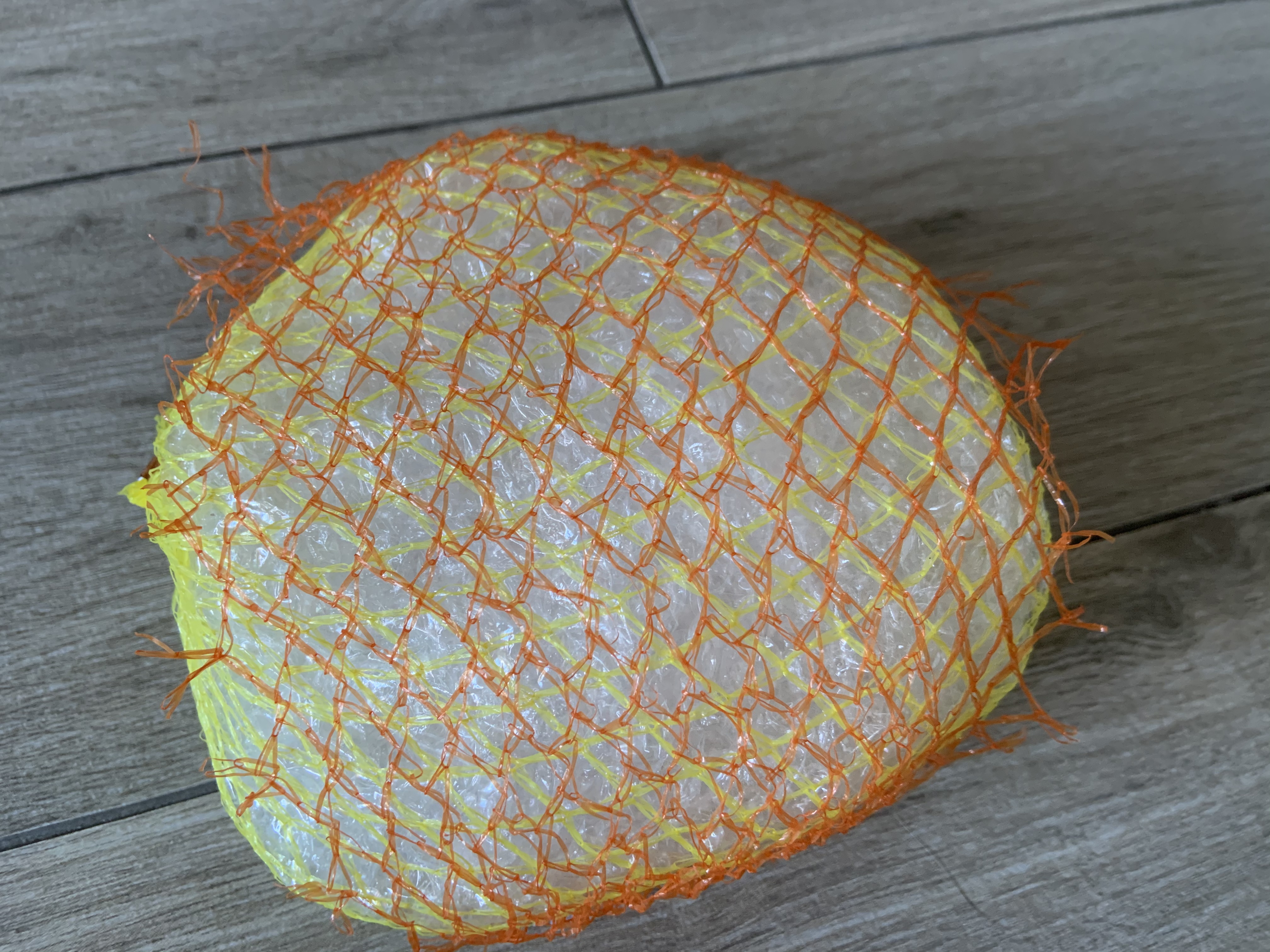
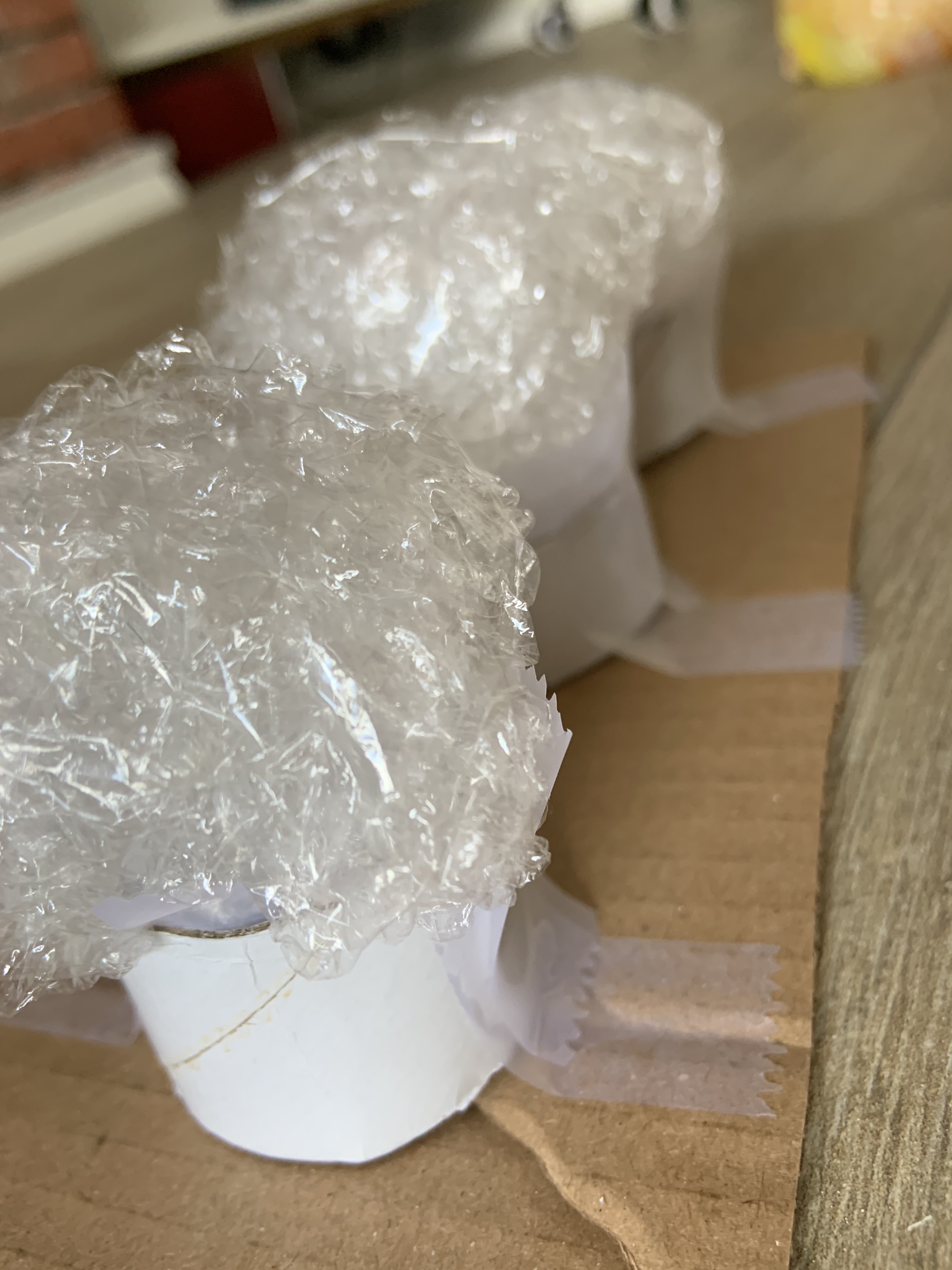
Well I Was actually going to try and recreate the pod alone. So to start with I made a loose, irregular ball using bubble wrap, sellotape, and wrapped the whole lot in some nets from citrus fruit.
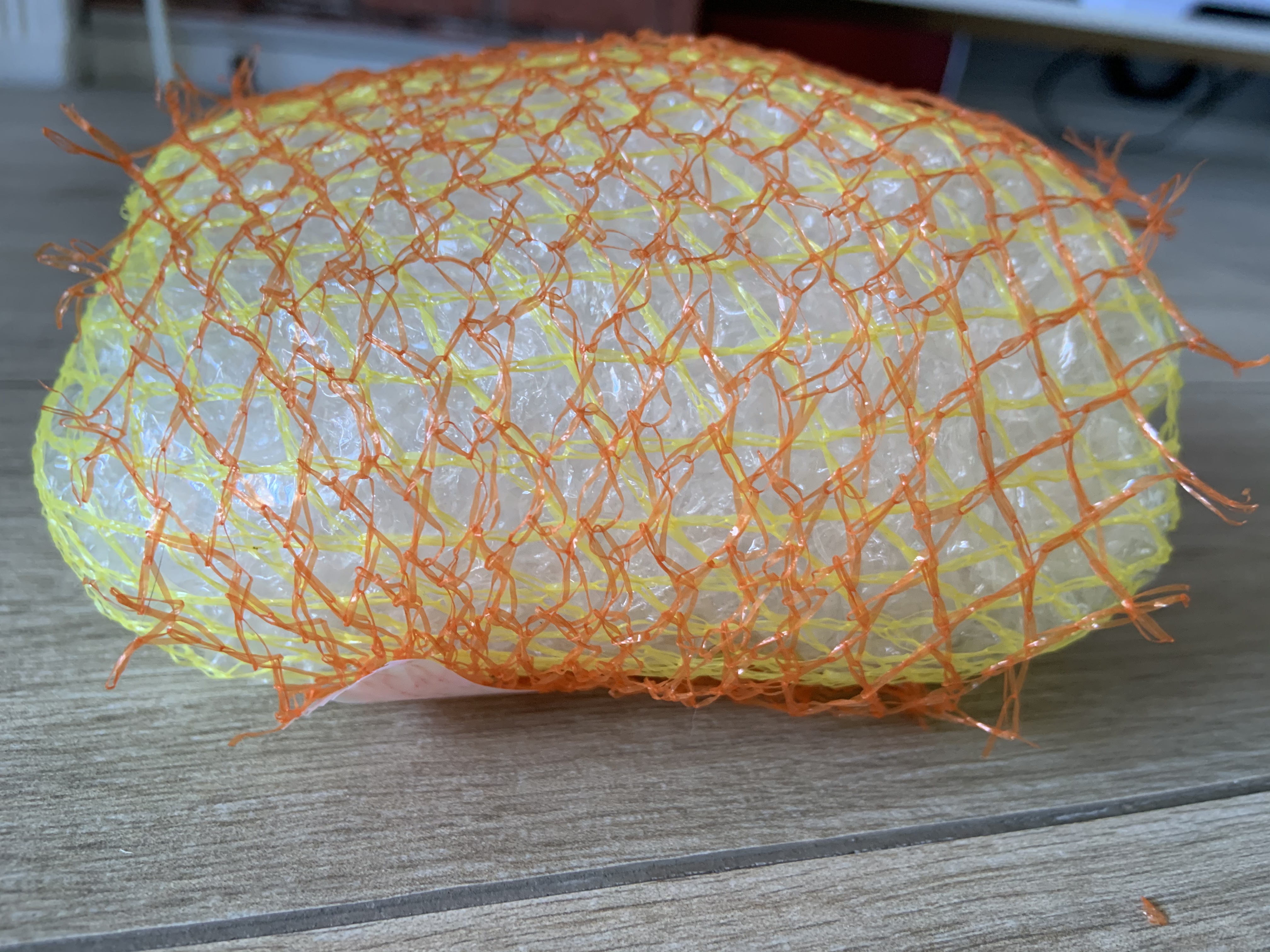
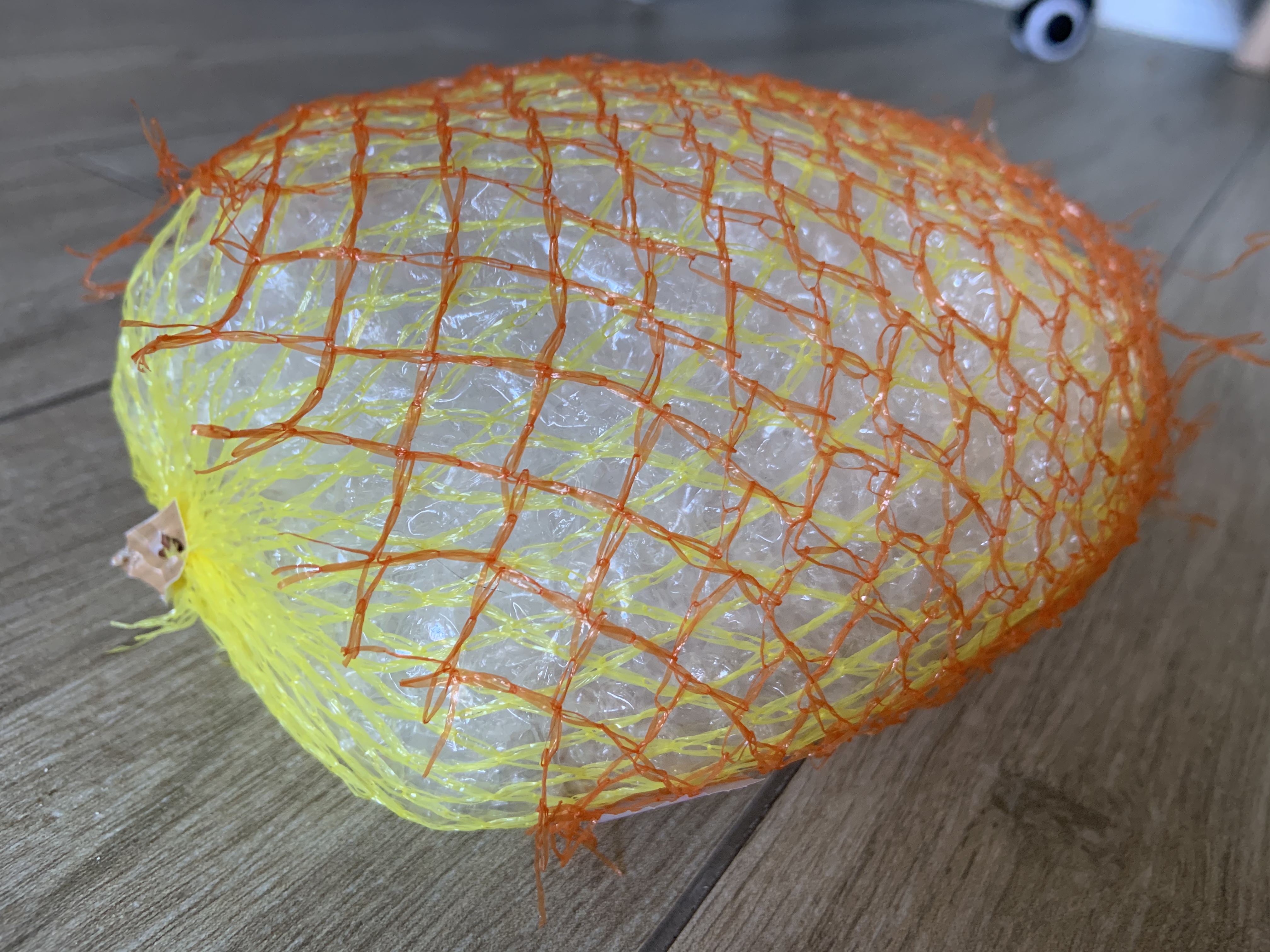
After I made it I decided it won’t represent the atmosphere sketches as the drawing was of an actual object, not of atmosphere or experience. So I decided to use it to make a model of this drawing:
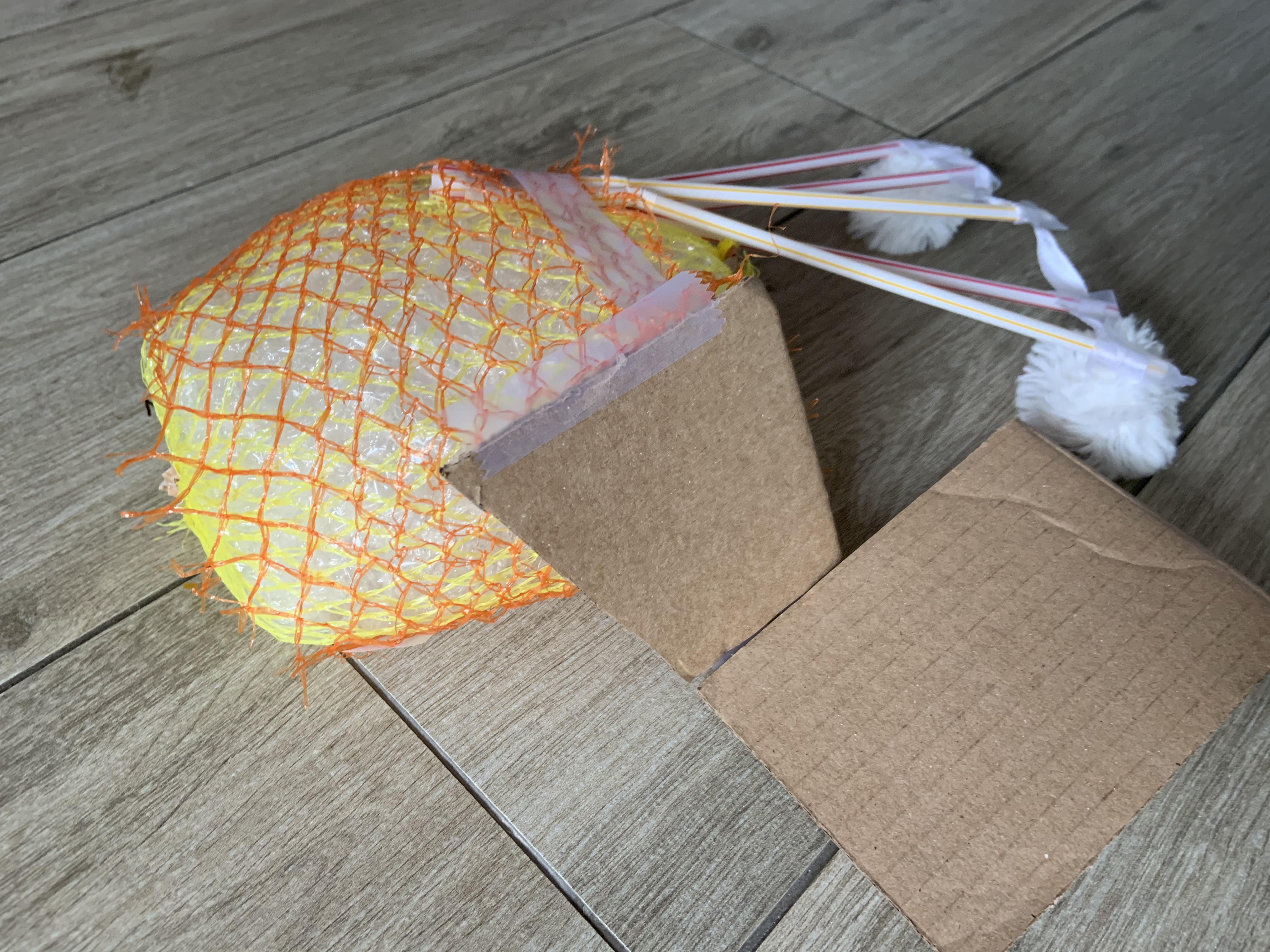
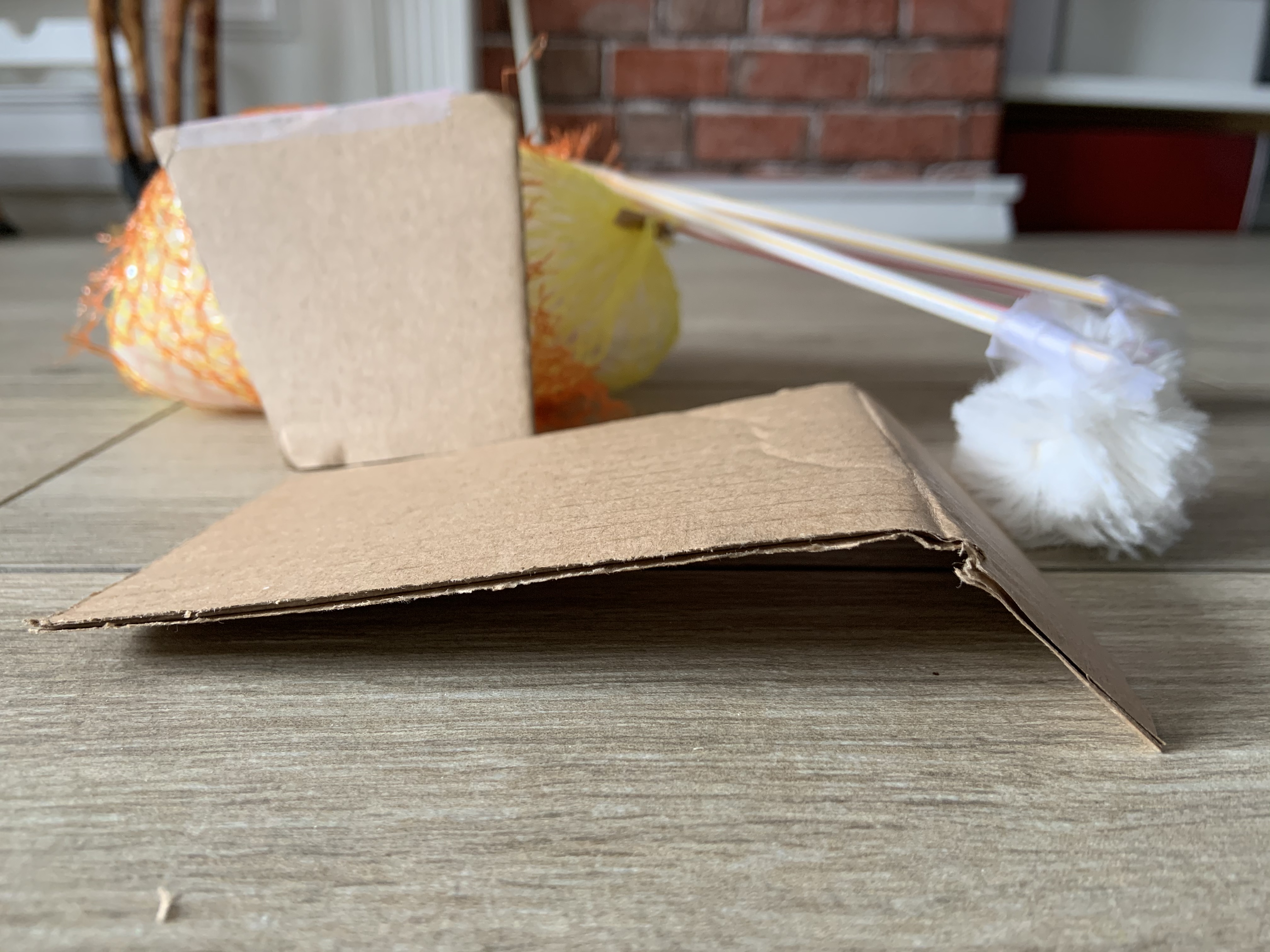
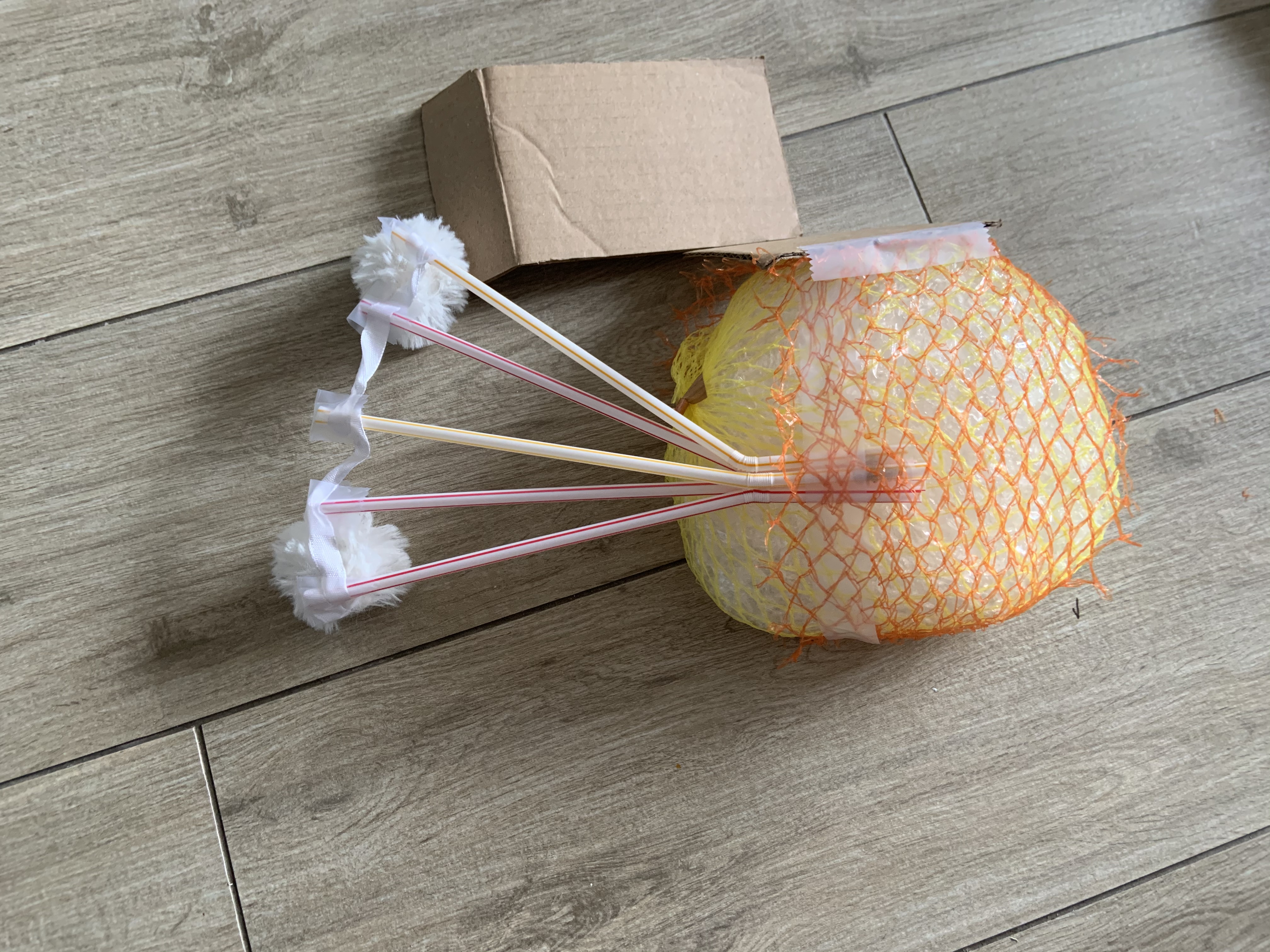
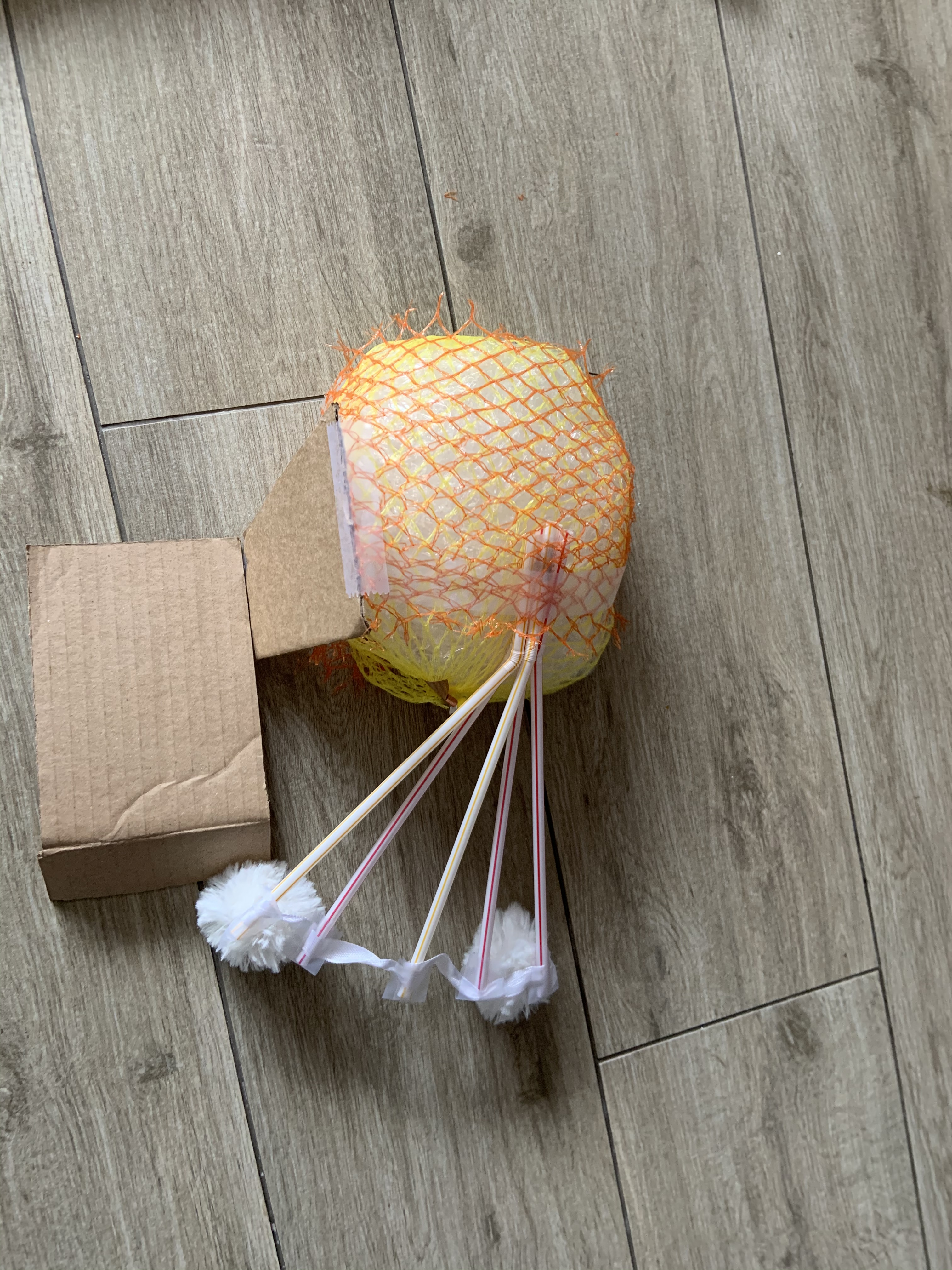
Below are photos of a model I made using the bubble wrap, sellotape, plastic straws, citrus fruit nets, cardboard, ribbon with fluffy balls.

As promised in the course book the exercise got easier as I got going. So I decided to make a sketch model of another drawing.
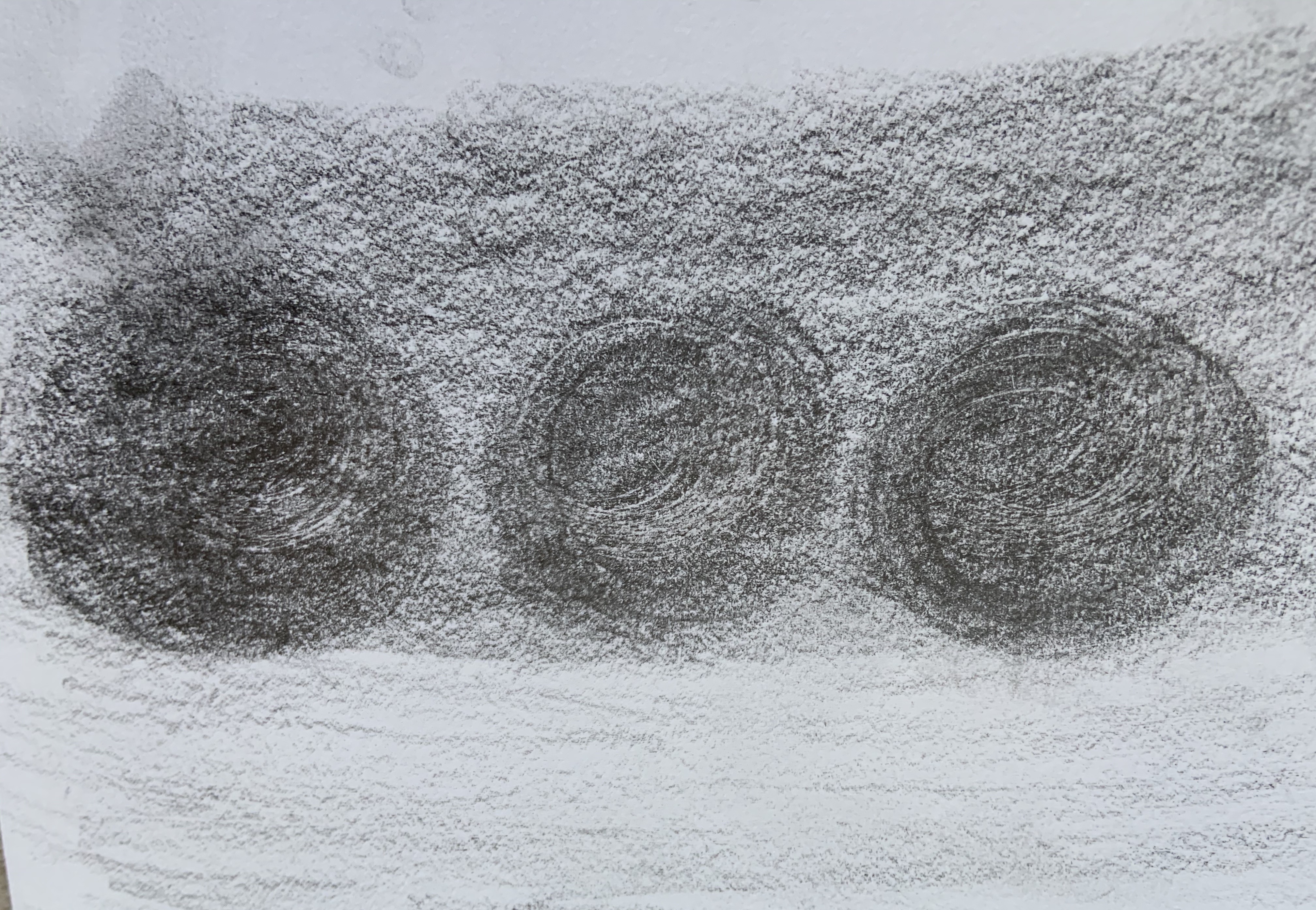
I made the model using cardboard, bubble wrap and sellotape.
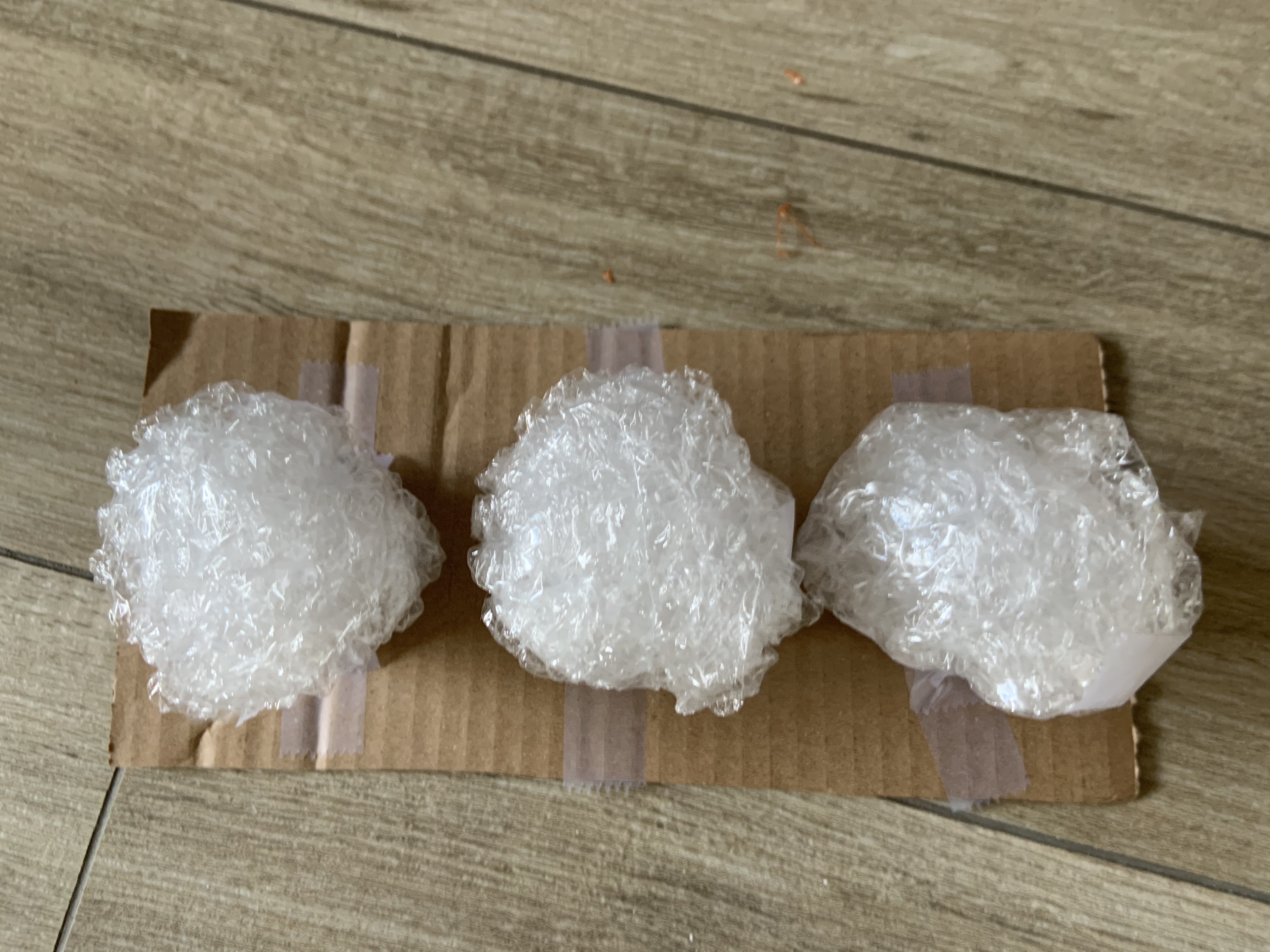
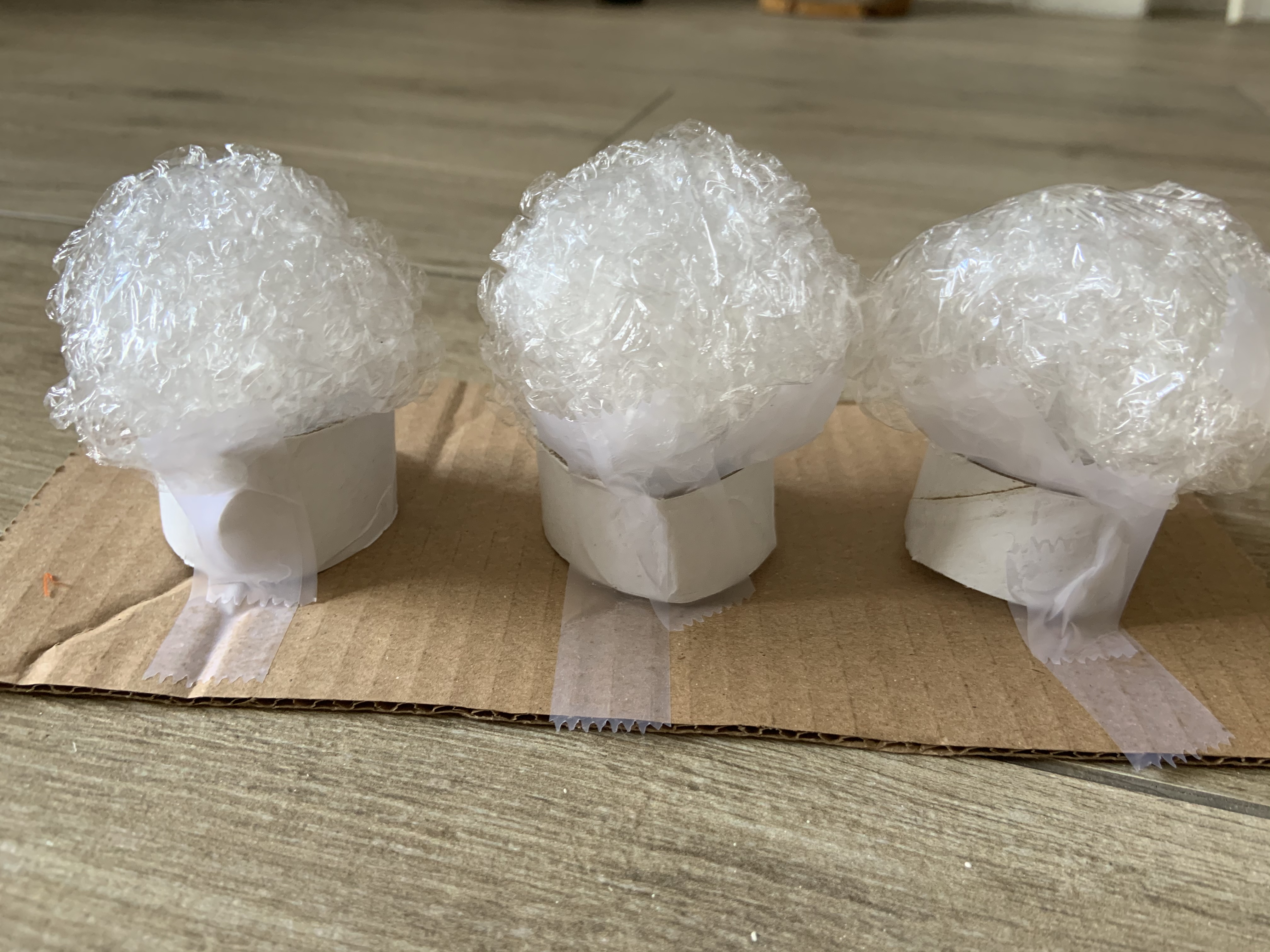
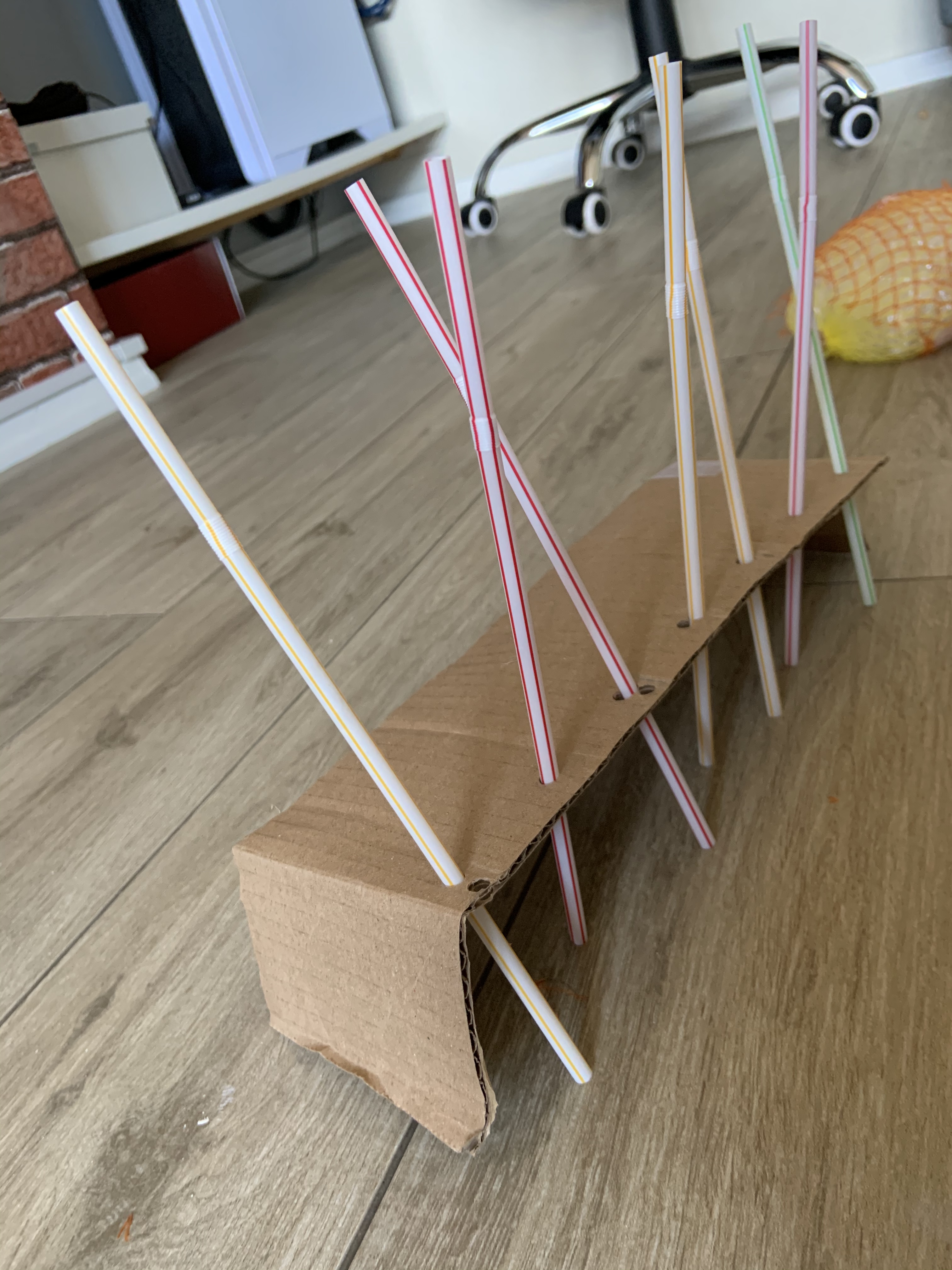
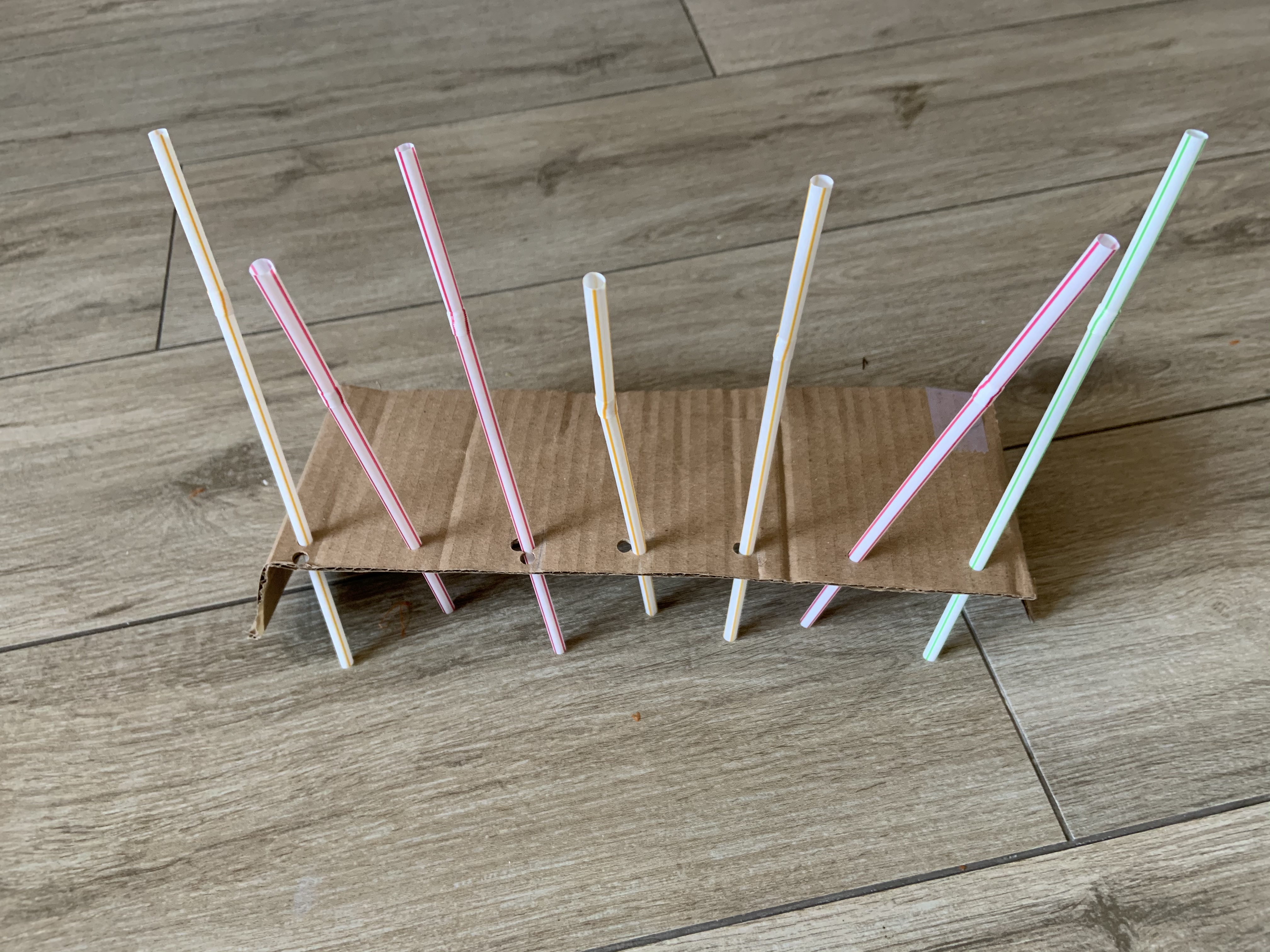
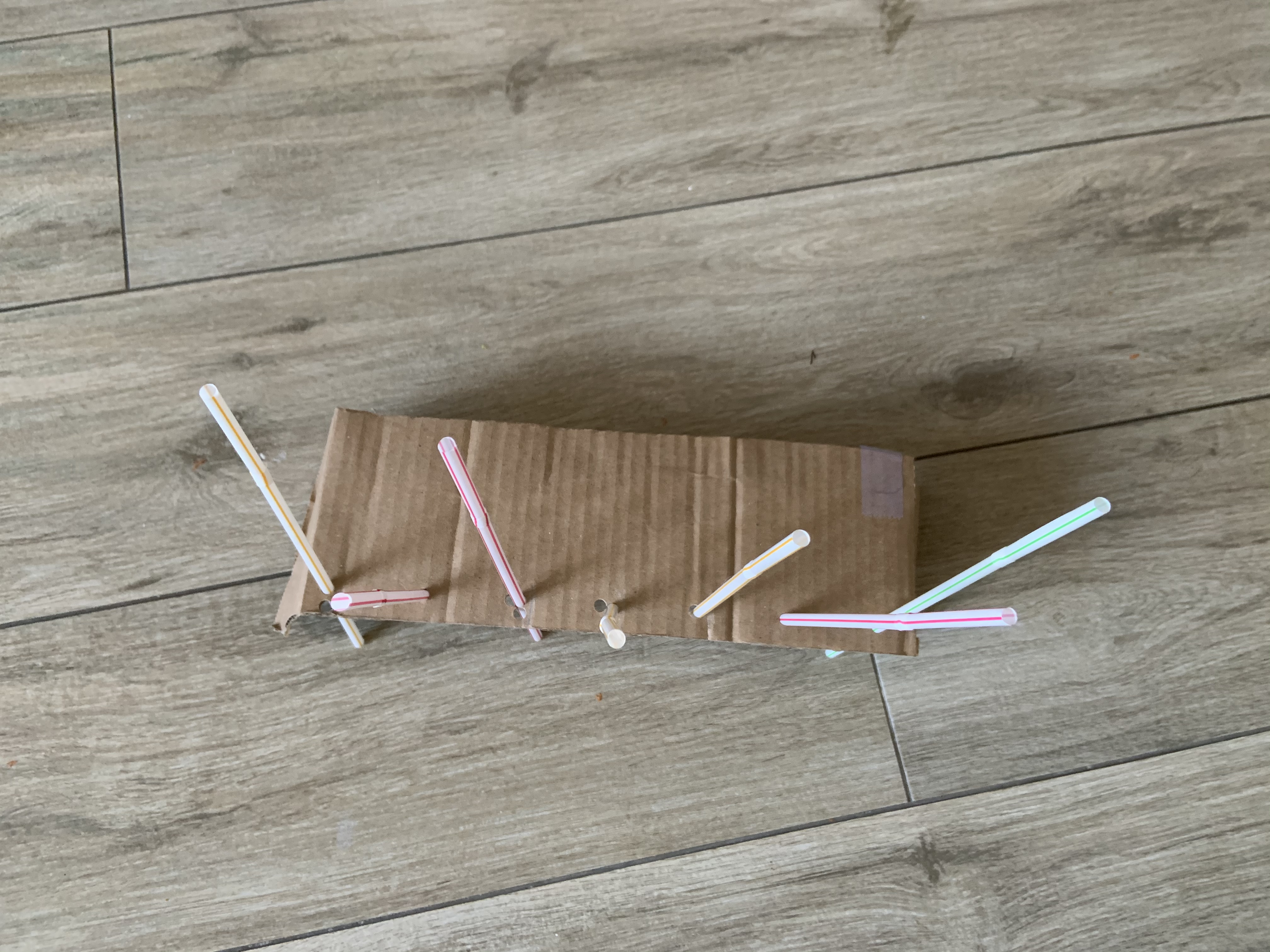
Lastly I made the model of this drawing which represented columns and their odd angles.
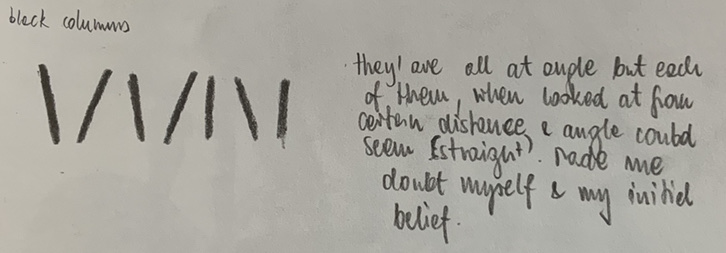
I made it using cardboard, hole punch and straws.
Exercise 2.4: Material (Peckham Library)

Pods

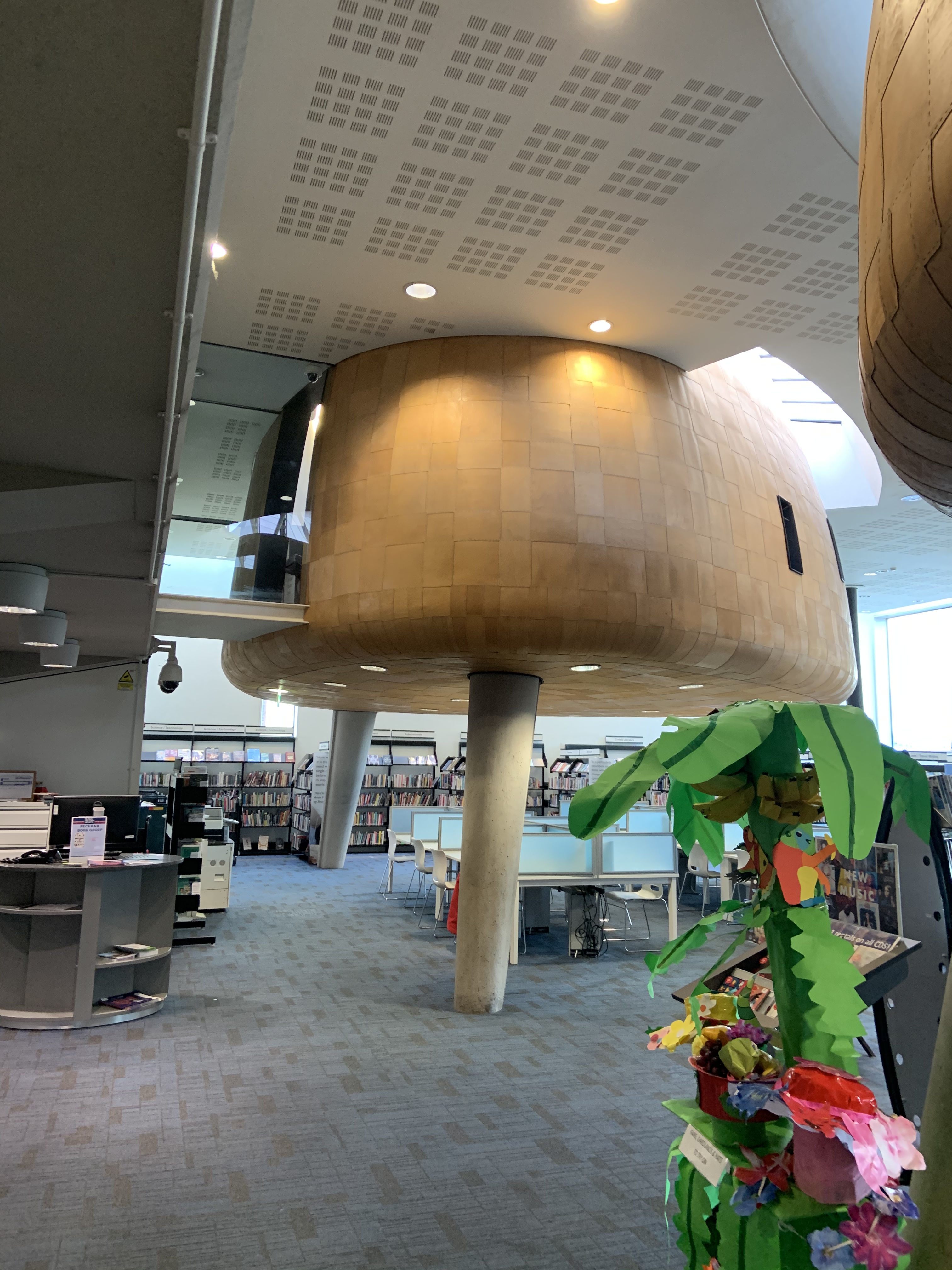
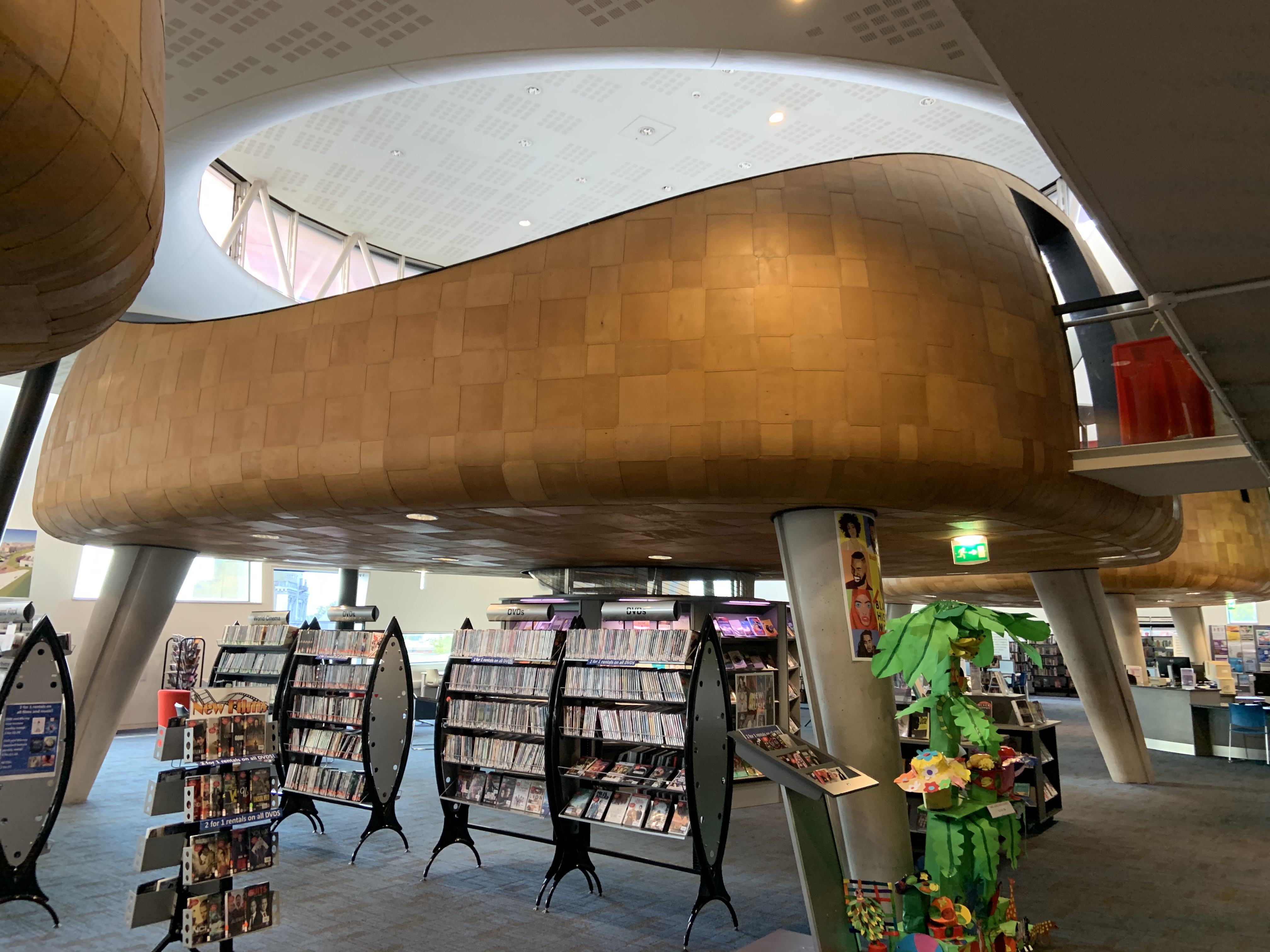
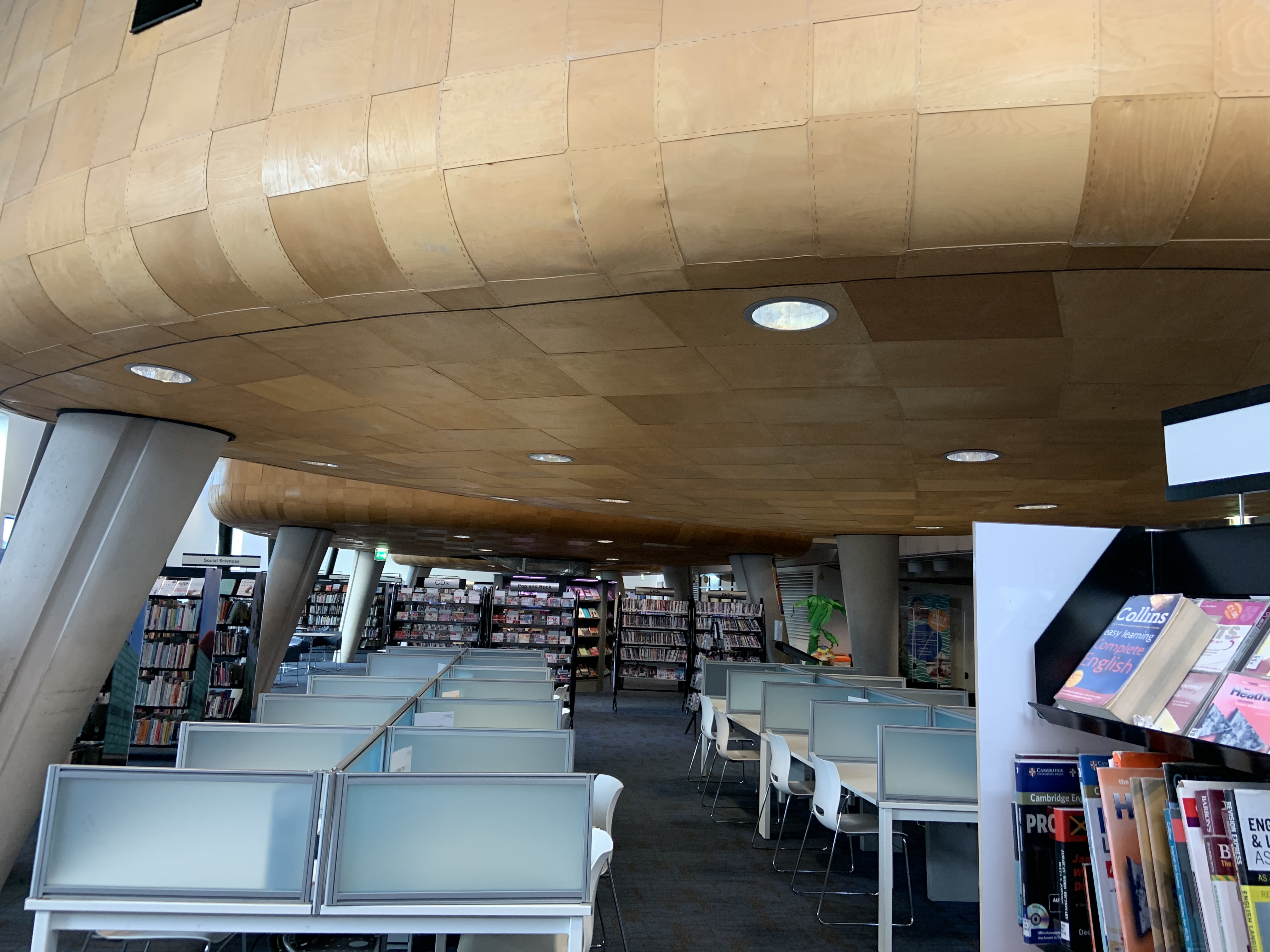
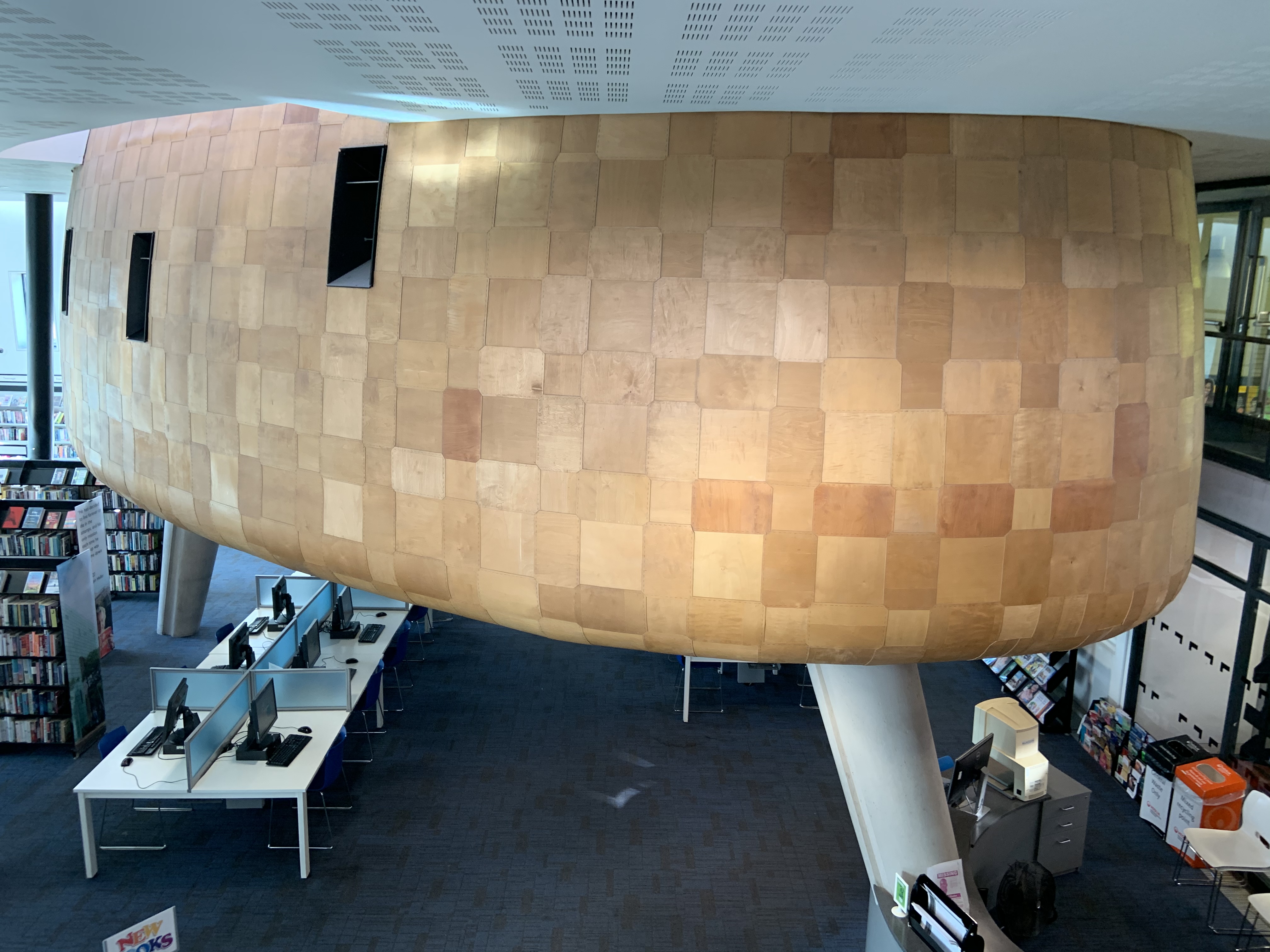
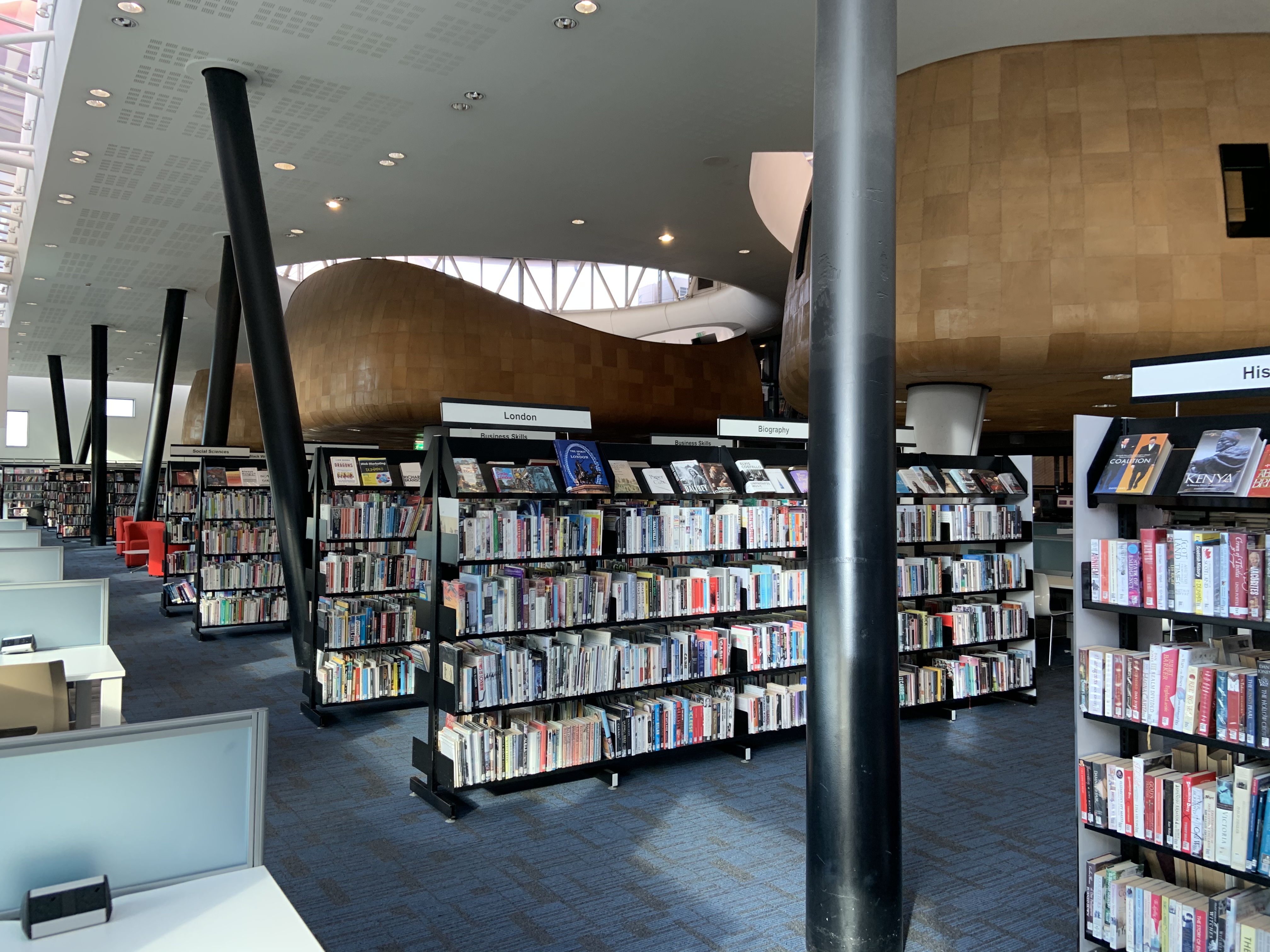
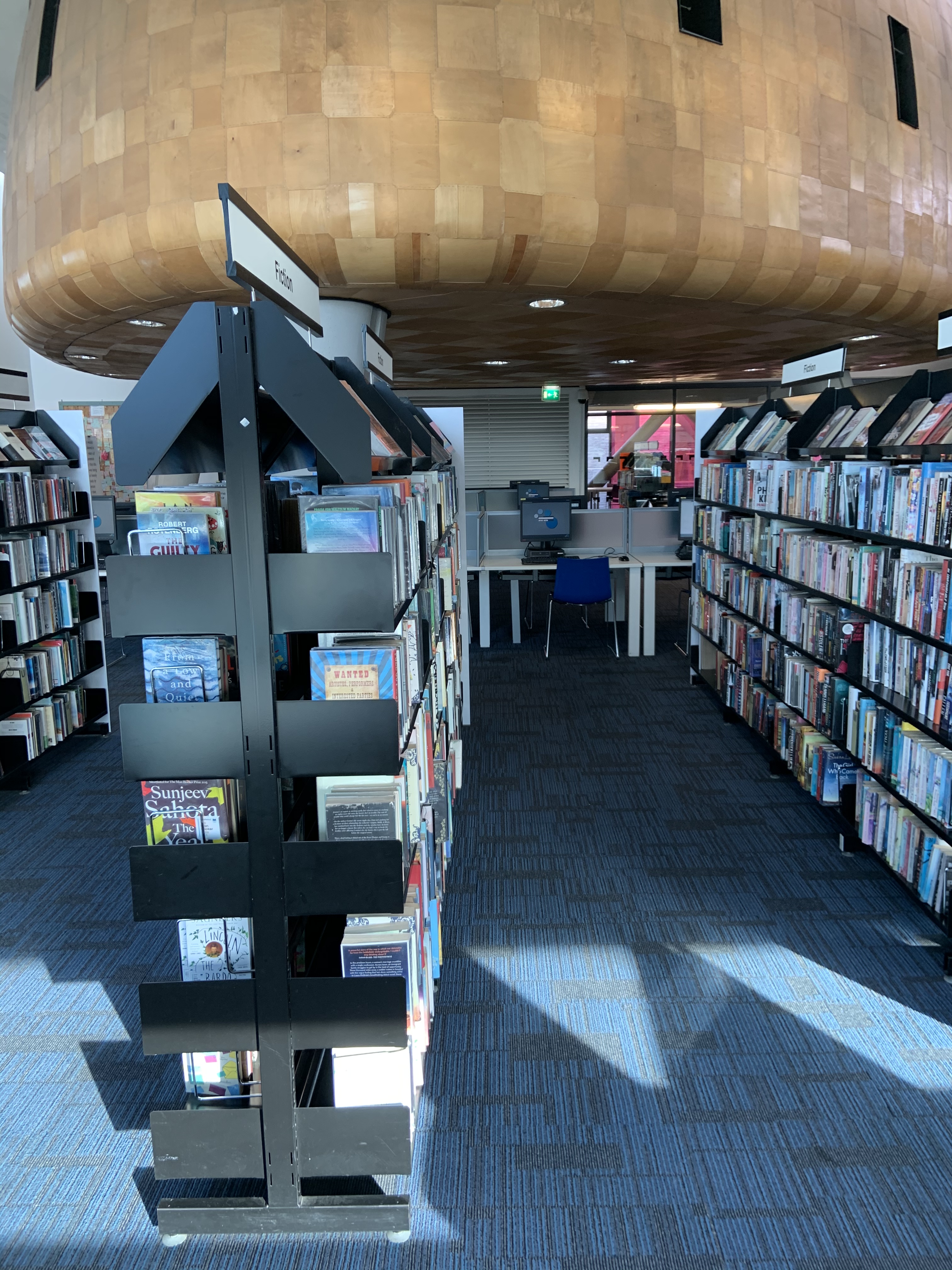
The exterior of the pods is covered in natural colour, thin, flexible looking timber slices. I’m guessing it’s plywood. They are attached with metal staples.

The legs are made of smooth, very light grey concrete.

There are also black window frames, I’m guessing metal. And glass within the windows.

Lights built into the base, shining below are metal and plastic.

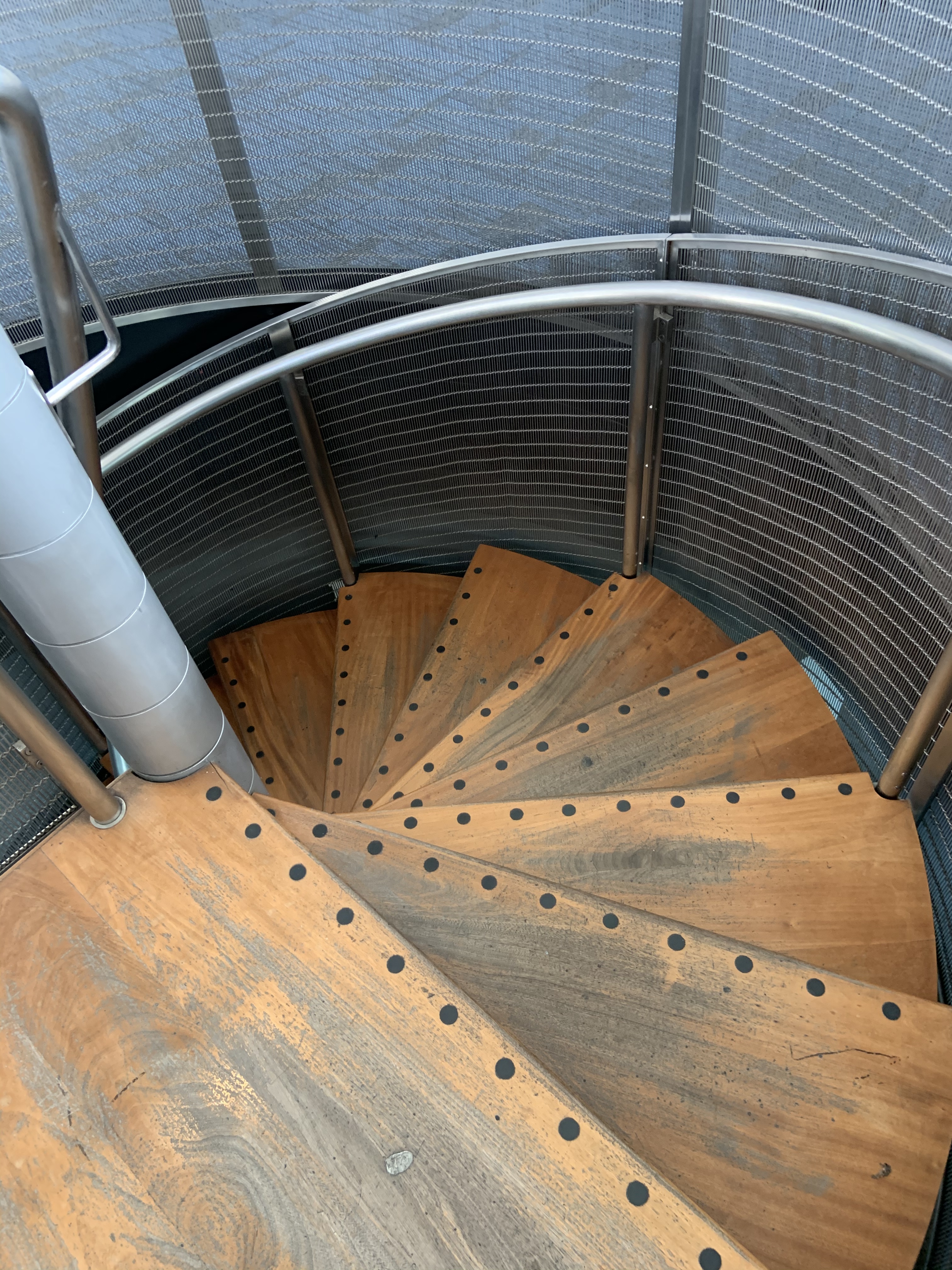
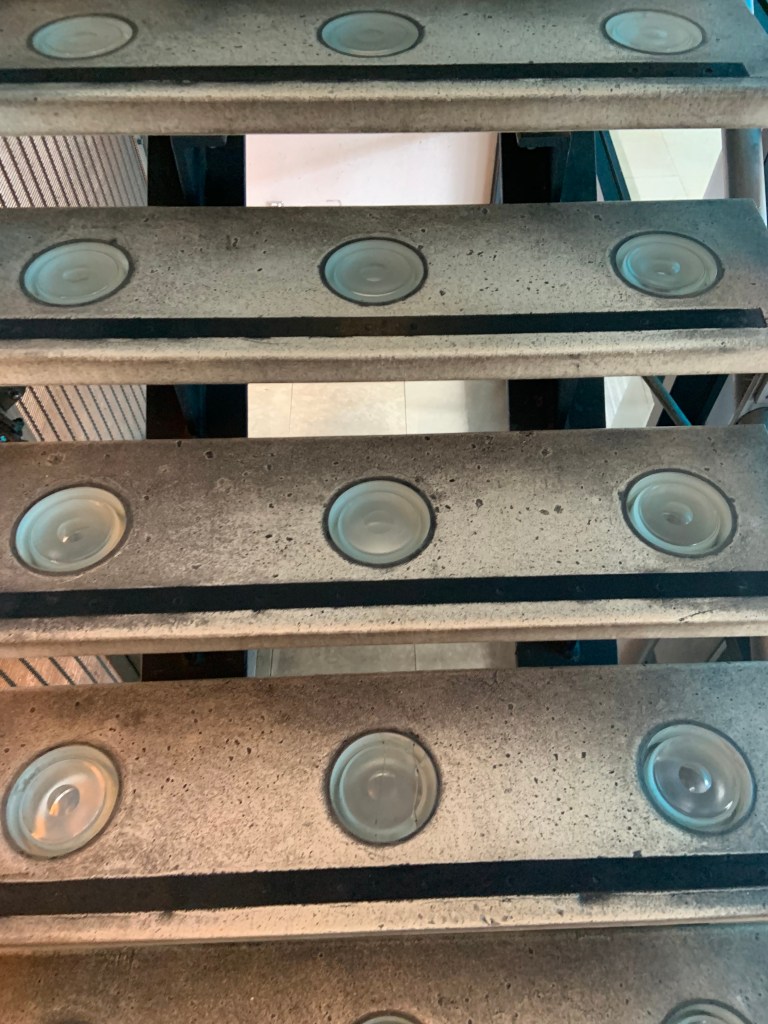
There’s a metal staircase with worn wooden steps leading to the middle pod.

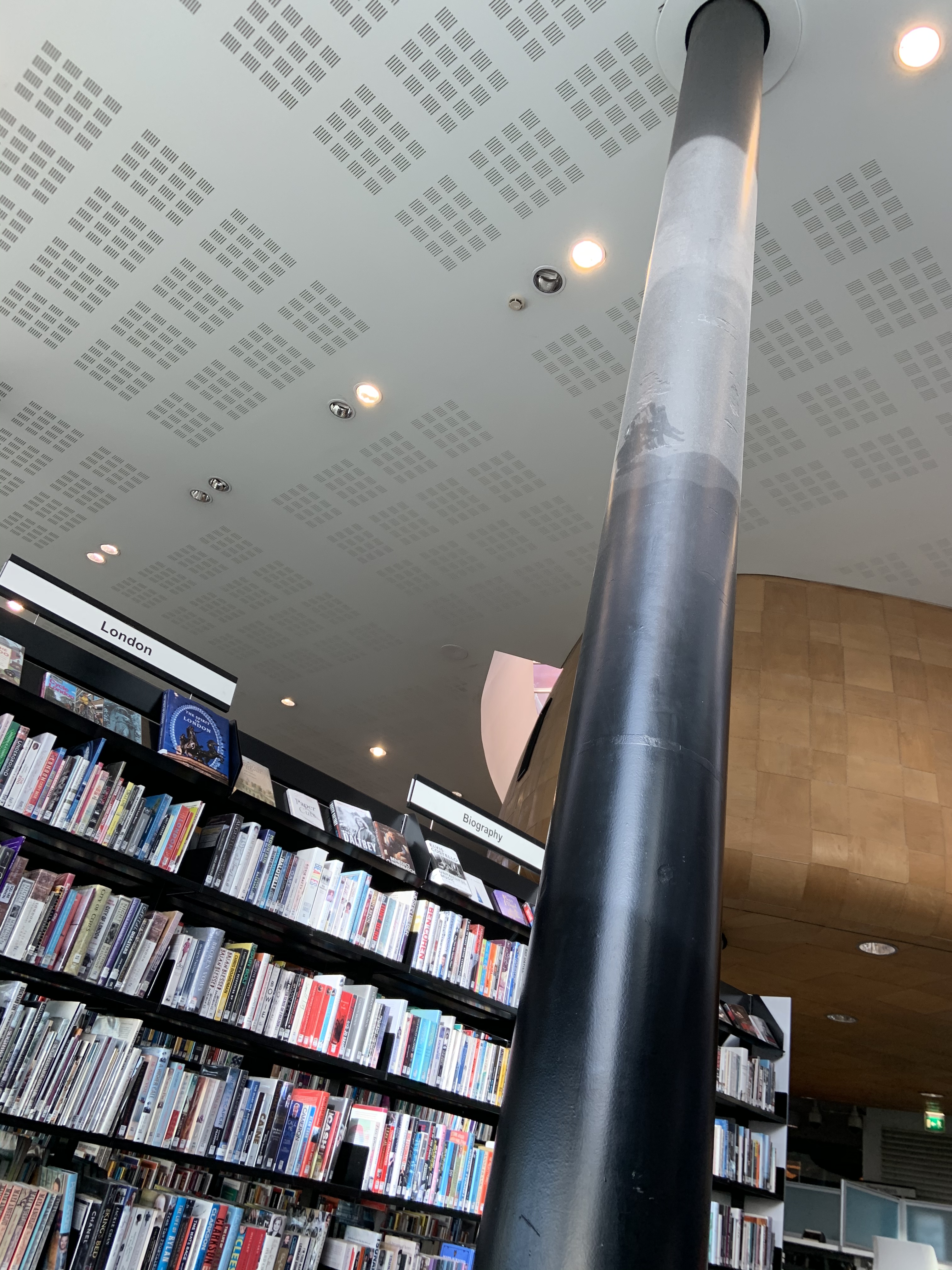
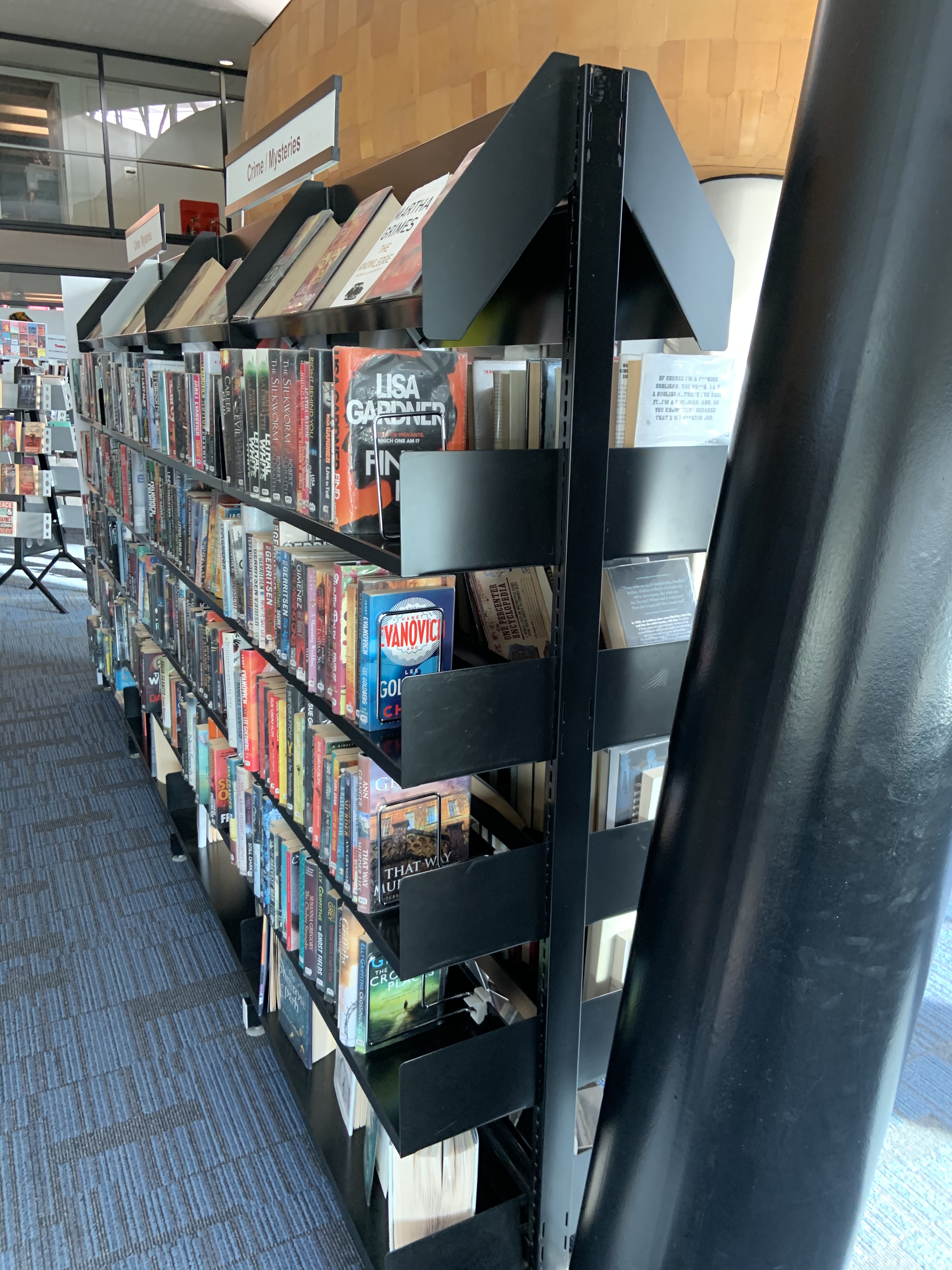
The columns are steel painted sheen black. They’re smooth. They are dusty in higher parts.

Windows: glass panes within black metal frames. Even the glass walls are consisting of smaller panes (still quite large, the sizes of walls are vast) framed in black metal.

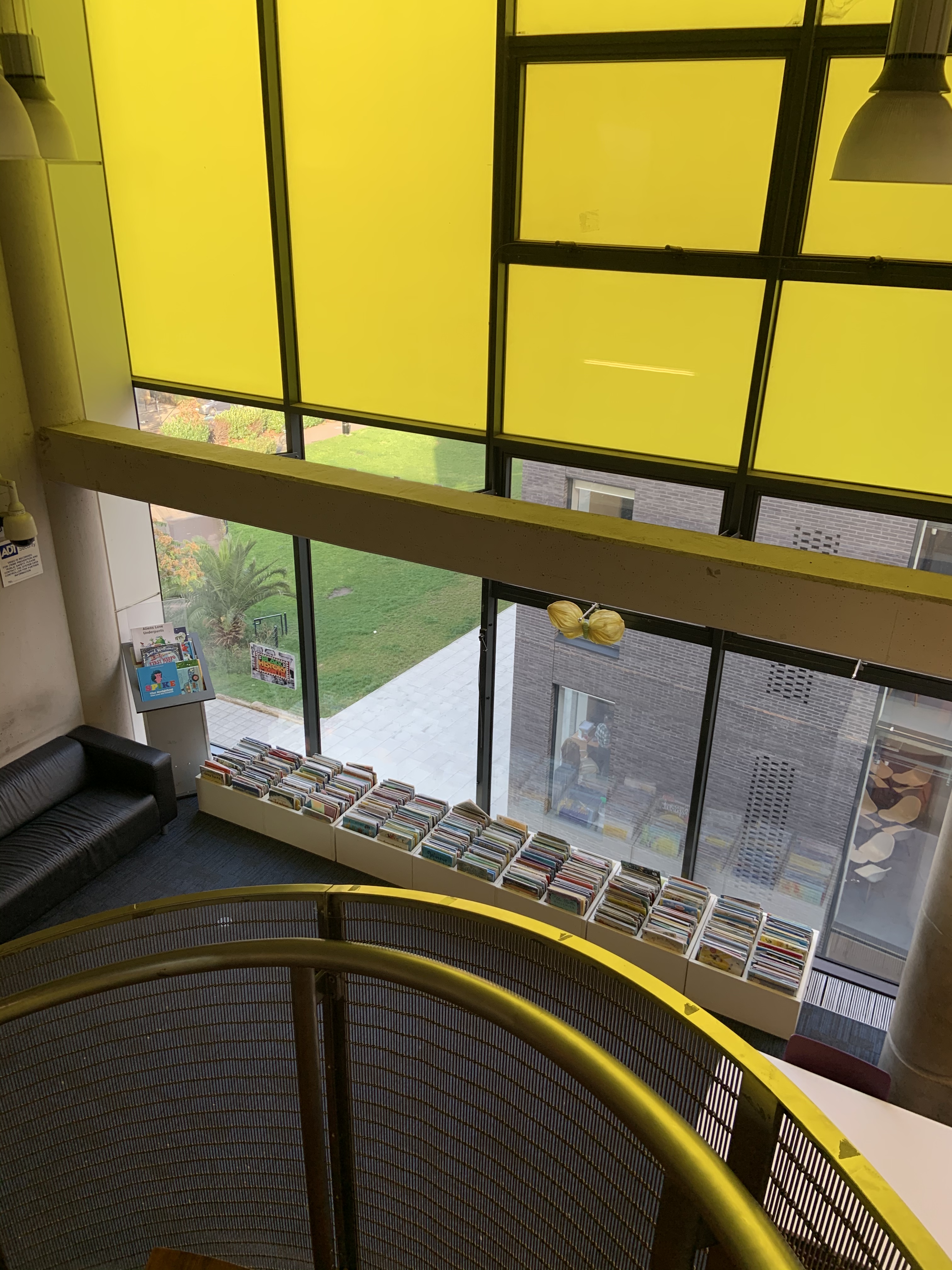
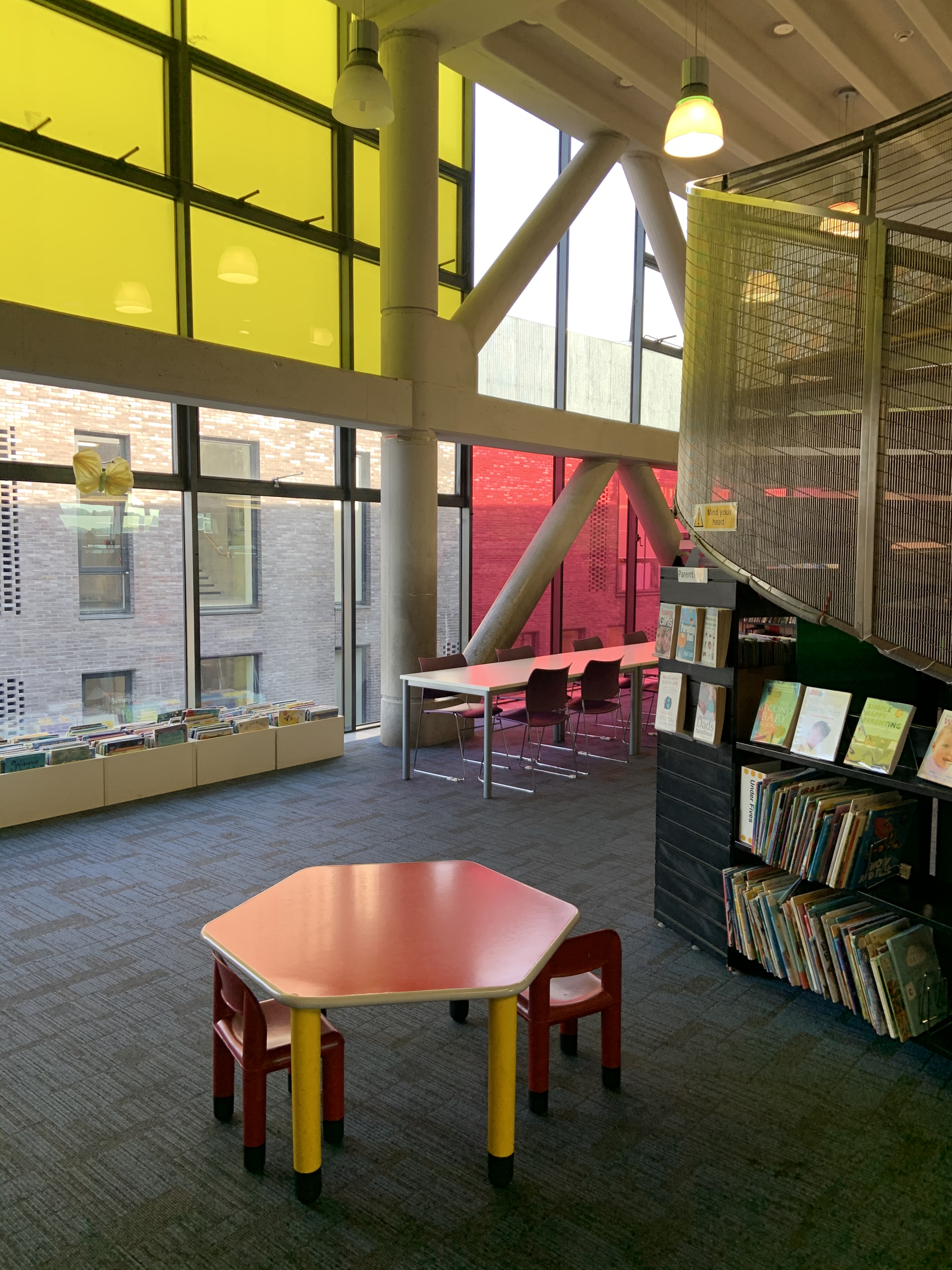
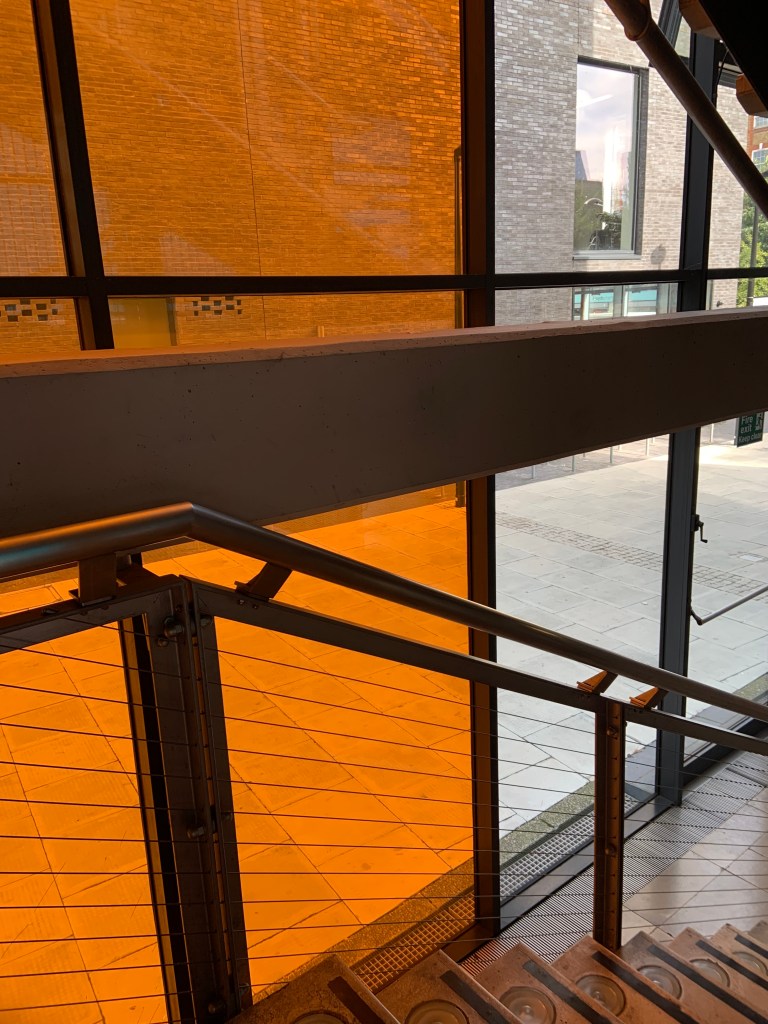
The rear of the building has many coloured glass windows.

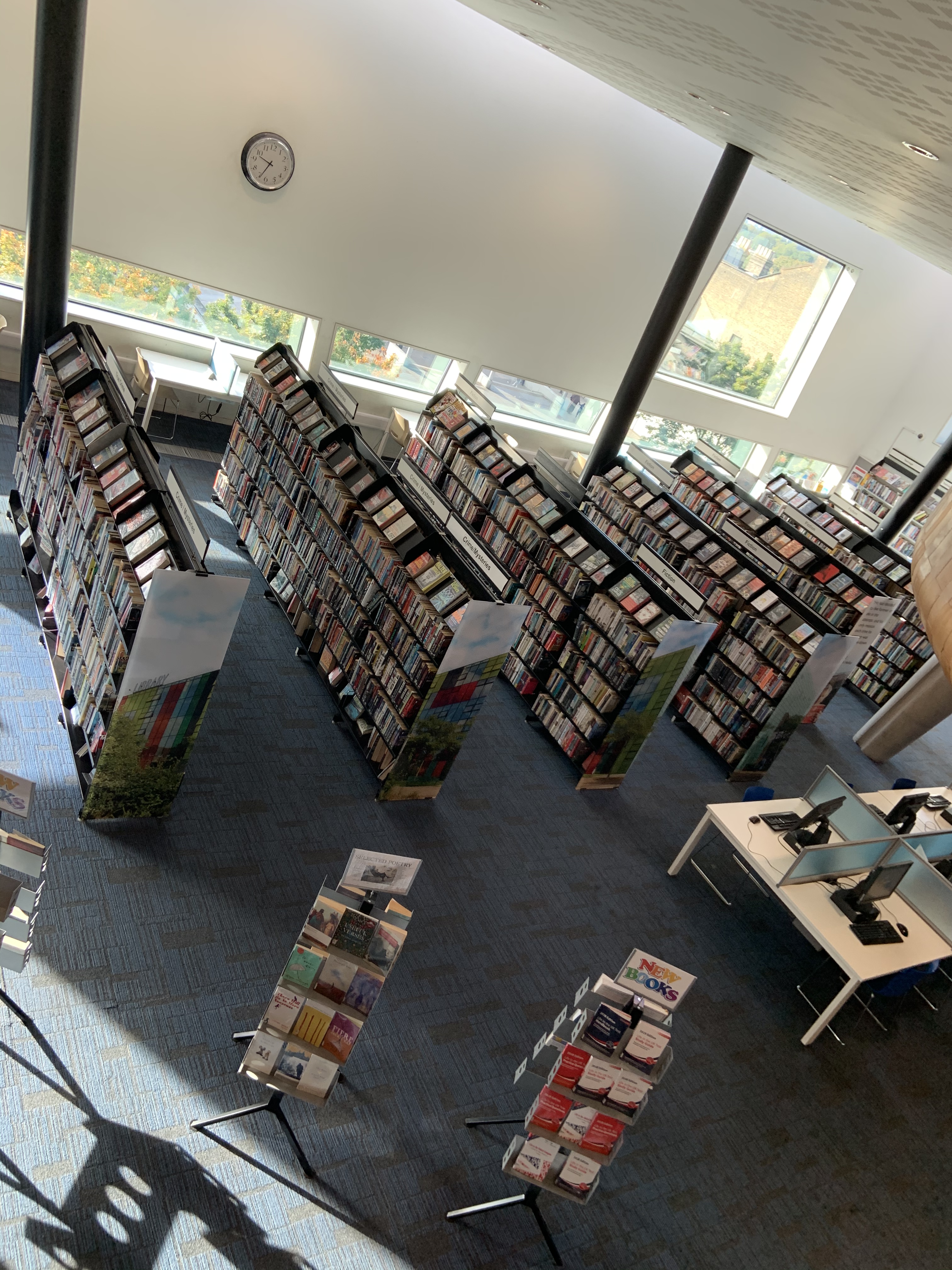
Bookcases are made of metal, painted black. Smooth surfaces and sharp looking edges.

There’s a carpet on the floor, hard wearing type. It has geometrical pattern of blue and black with cream specks.

I think the walls are covered in plaster, painted white.

The high ceiling has an open work pattern, as if for ventilation. It’s white. Towards the edges there a gap around that lets the light in.

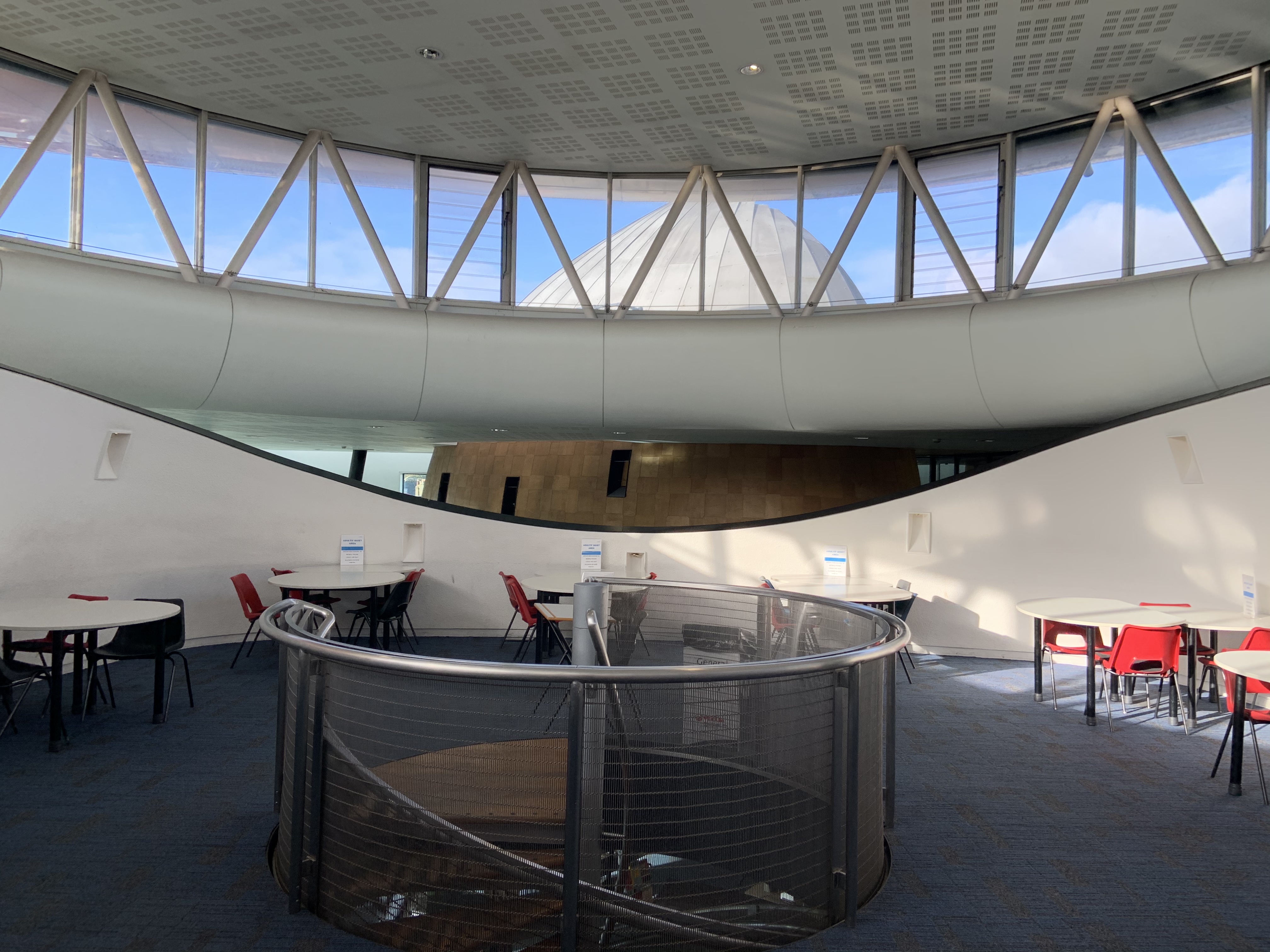
Ceiling above middle pod. Structure on the roof looks like the other pod is extending through the roof.
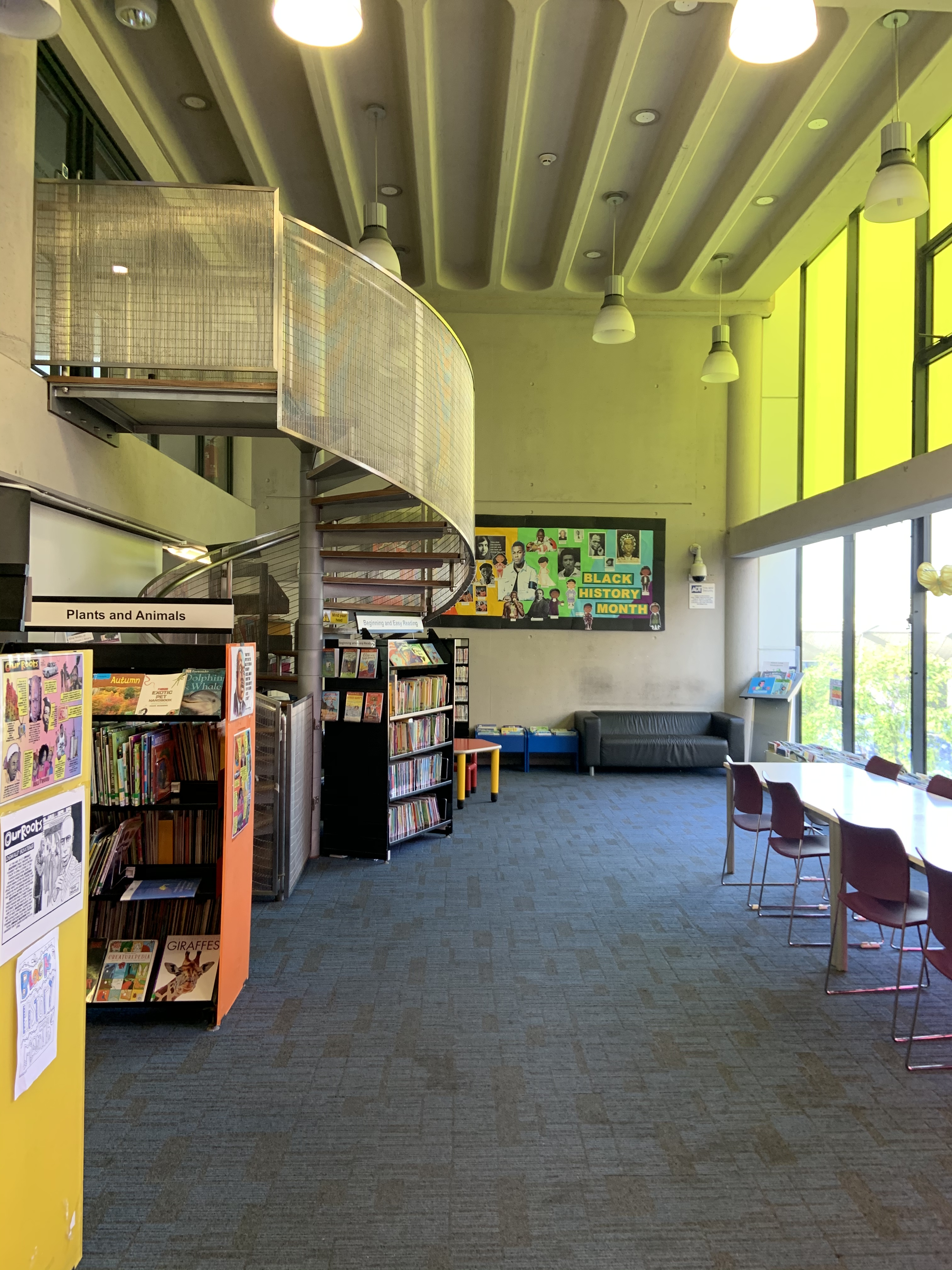
Ceiling in children library has unusual design, looks concrete.

Exercise 2.3: Form & Light (Peckham Library)

Look at the forms and shapes in space, make sketches and notes.

Forms & Shapes

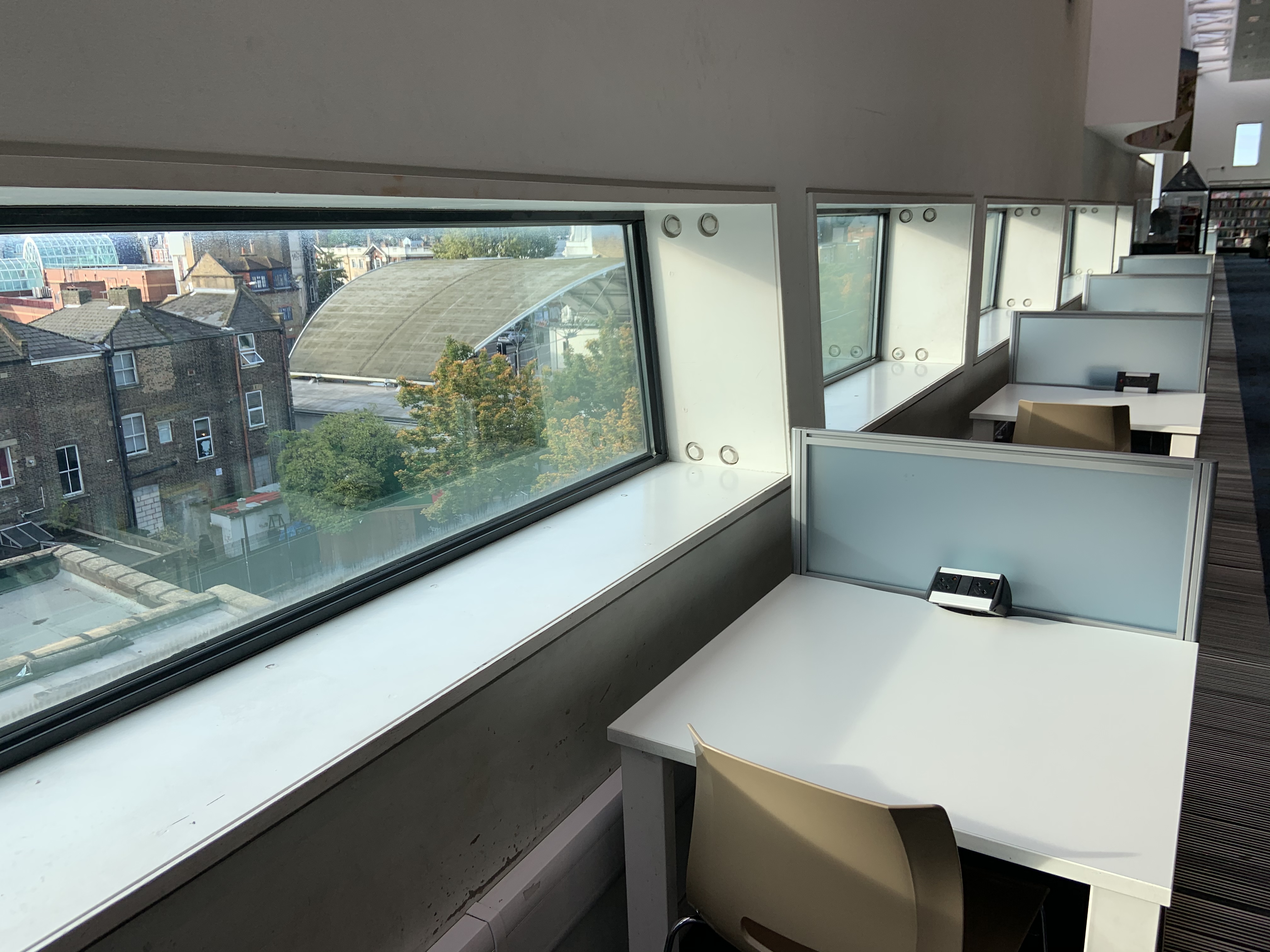
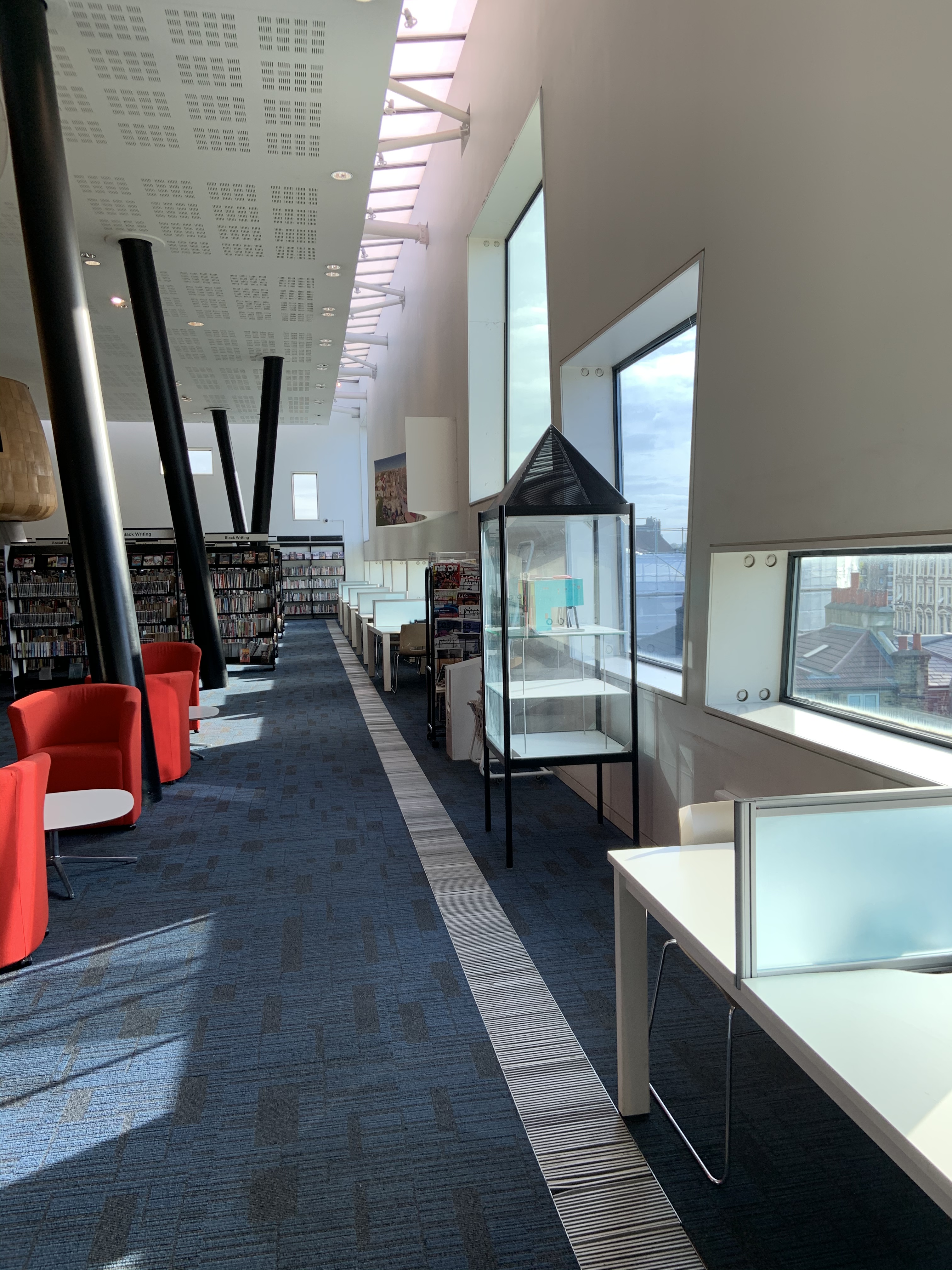
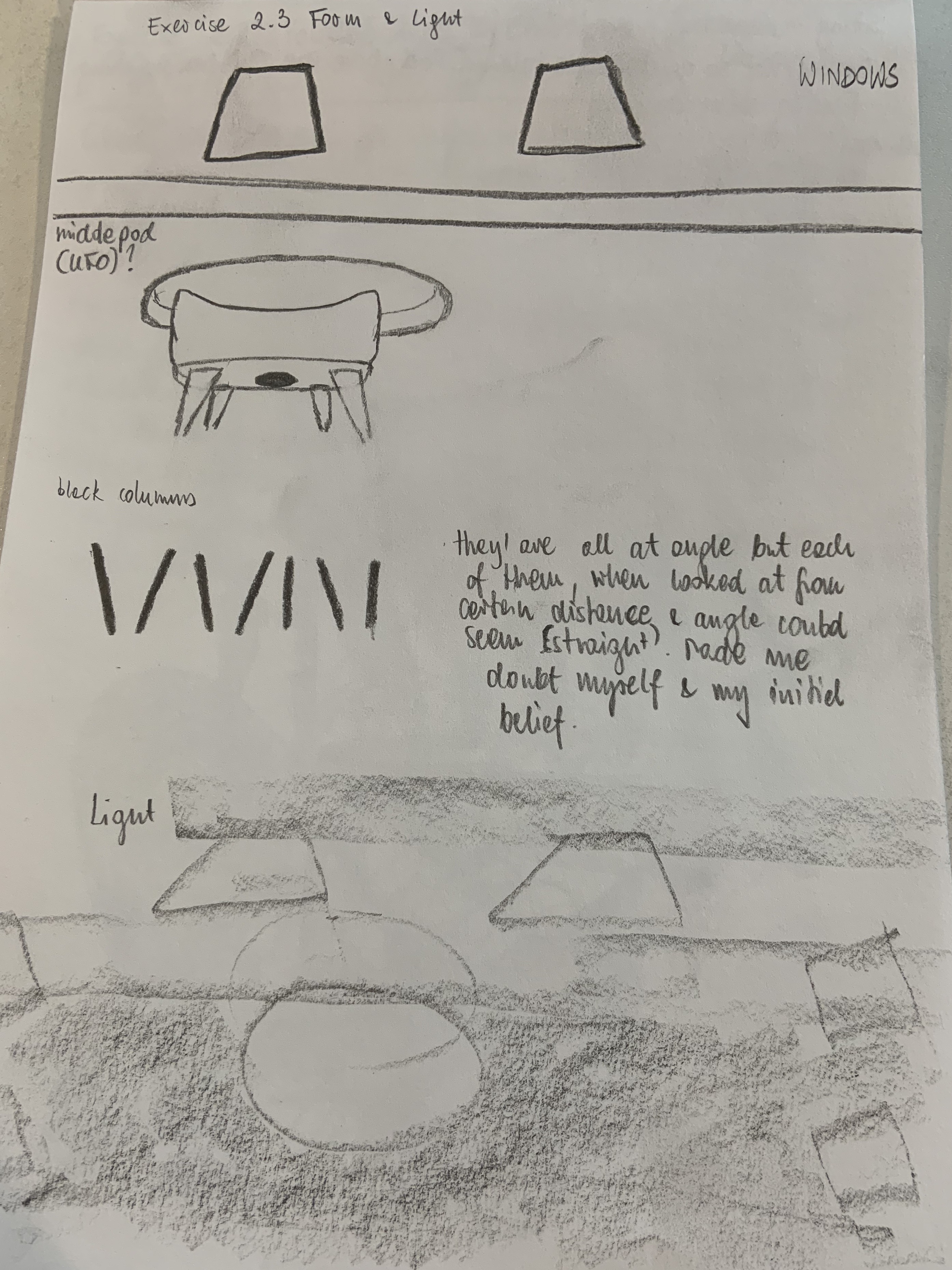
Windows have interesting unusual shapes. They are either long and narrow or very large trapeziums.

I’m still impressed by the pods forms, the middle one dissapears into the circular opening in the ceiling, looks like a space ship about to take off.

The back columns are at interesting angles, none of them is at straight angle but from certain perspective some of them seem that way. Initially it made me doubt myself and my initial belief which turned out to be right.

Light:

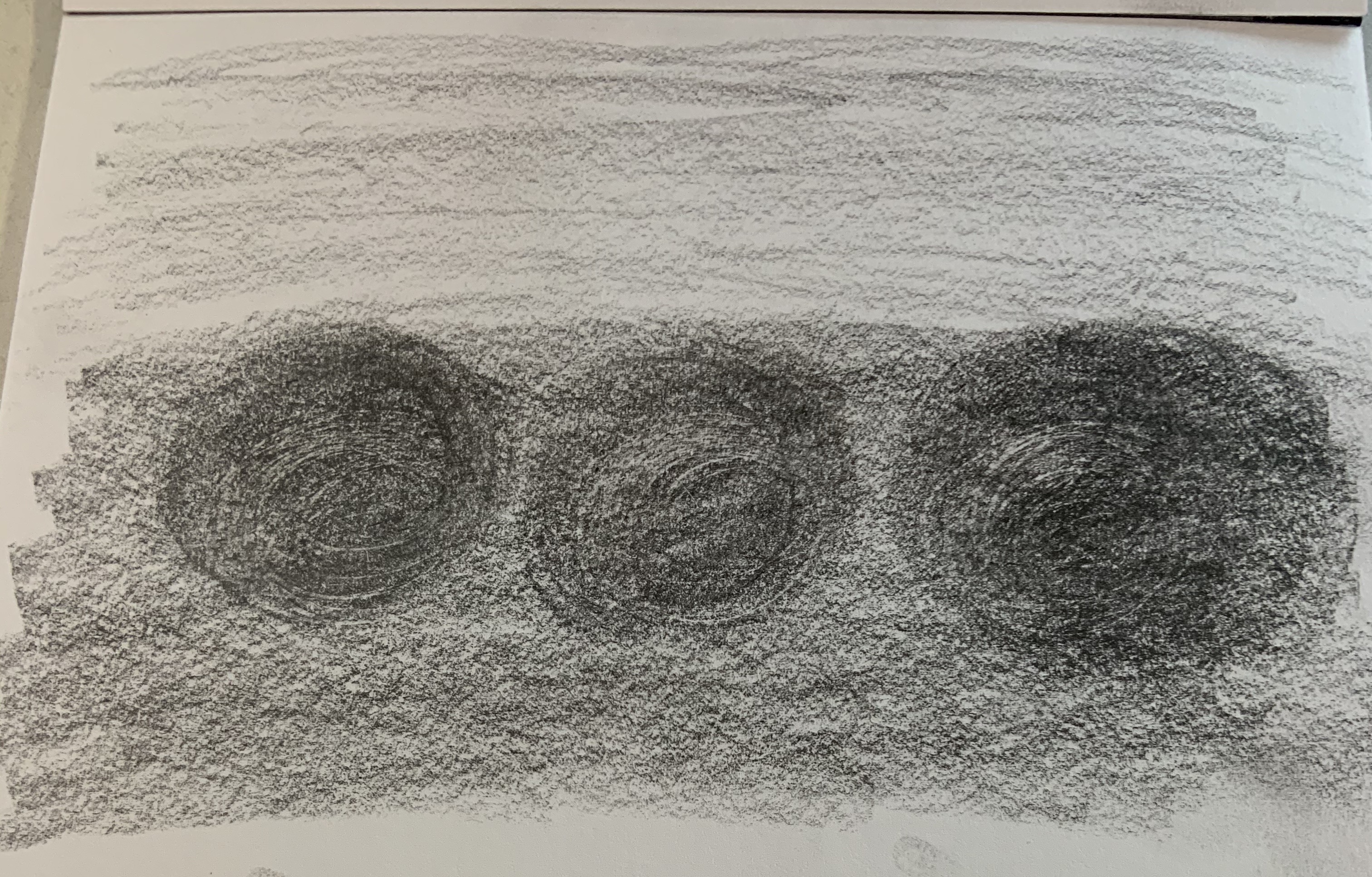
Near the window there’s plenty of natural sunlight. The trapezium windows are large and placed high up, they let plenty of day light in. A little deeper in are the pods, they create shady areas, block the natural light. There’s plenty of spotlights, but the artificial light can’t compete with unobstructed daylight.

Light

Exercise 2.1 Soundscapes (Peckham Library)

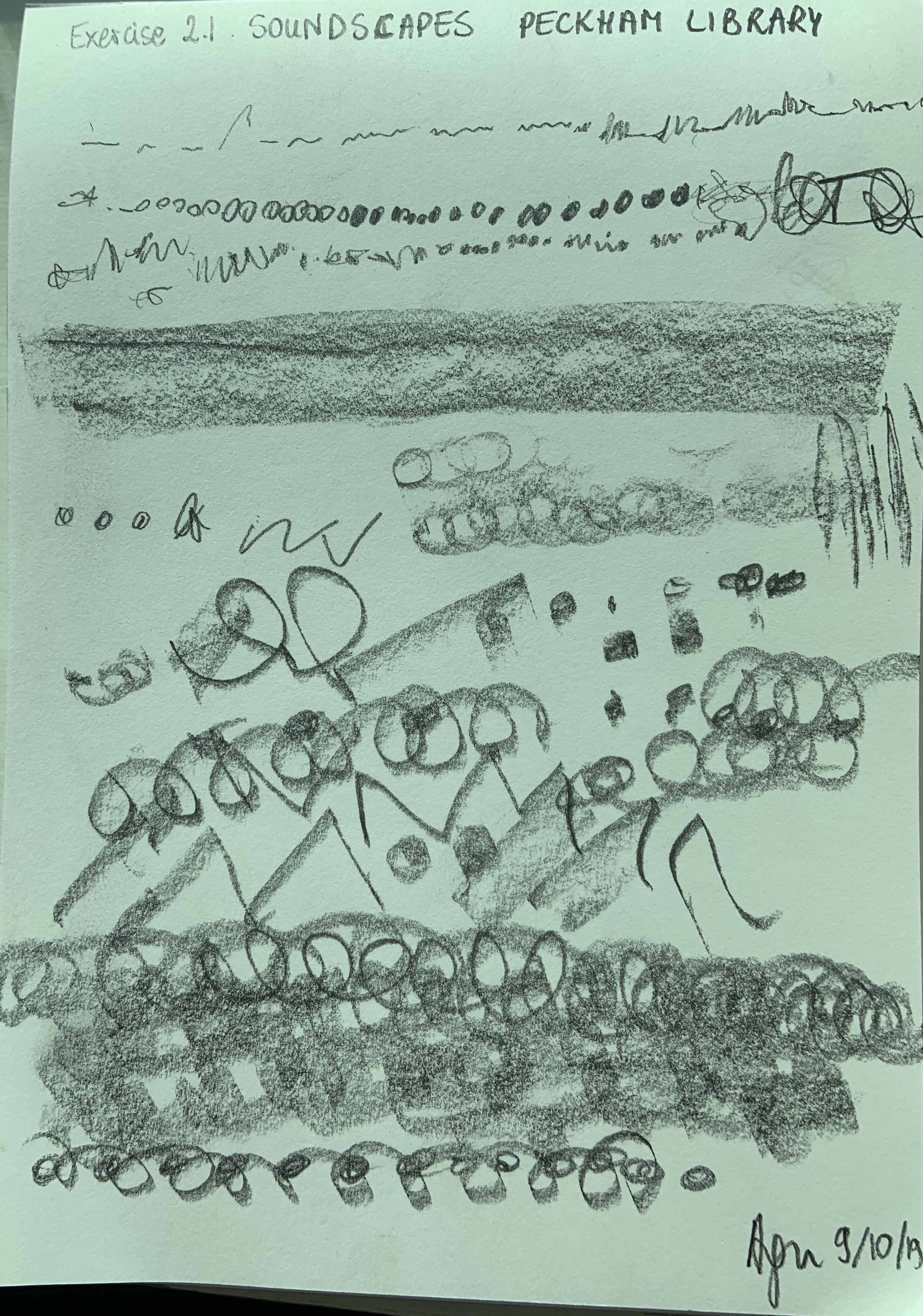
I visited Peckham Library again today. They let me in before they opened so I could take some pictures. My ‘listening experience’ drawing started before opening times, so the sounds I heard were created by library staff. I closed my eyes and tried to draw what I was hearing…

I’m pleased I brought an a4 pad this time, drawing sounds requires good space

Then the library opened to the public for the day, people started to come in, the place got louder, the sounds changed. At first it was mainly staff on the phone, people walking, someone hoovering in the distance. Suddenly it got crowded, place got instantly busy. Loud talking, multiple conversations at once, steps everywhere, squeaking floorboards, items laid out on tables, rustling of paper, someone sighed.

In the drawing above I pictured steps as circles, voices as twirly lines, sharp noises as sharp angular lines. I drew them as I heard them, in order.

Contextual Study 2.1 – Phenomenology

Critically reflect on the concept of phenomenology.

Designers have to explore and have in mind emotions different people may have in the spaces. It must require sensitivity, compassion. The designers must be able to predict how users will feel. It’s a very difficult job as everyone is different and has different experiences shaping how they feel about certain things. For example someone may love a certain smell as they would associate it with a pleasant memory, while someone else may hate it due to personal taste or not so happy memory. I believe architects and interior designers spend long time dwelling on how users will feel in certain spaces during the process of planning. I think it’s easier if it’s a private space. We can just ask future users what are their likes and dislikes. Public spaces must be so much more difficult. Not only making sure that the ‘desired’ feelings are as intended but also not offending anyone (unless offence is a goal).

When I keep writing this my mind keeps wandering back to Jewish Museum in Berlin. Daniel Libeskind designed the Void, a space that zigzags through the complex and is visible from multiple staircases opening on to it, it can be also accessed on the ground level. There are tall, smooth concrete walls, that would magnify powerful echo, everything is pretty bare and raw. The floor is laid with what looks like thousands of metal plates depicting faces, mainly screaming. Users are forced to walk on them, and every step creates unpleasant noise, that’s is magnified by echo. I can’t imagine anyone being comfortable in that space. And I think that was architects aim. If you want users to feel warm and fuzzy you add soft corners, warm fabrics, plenty of diffused lights, and natural light. Usually darker spaces are less welcoming. I think phenomenology is about whether users feel welcome, comfortable and want to be in the space, or whether they don’t like it and would rather leave. I don’t think users concentrate on their feelings of spaces all the time, we usually come somewhere with a task and don’t dwell on how we feel. But The Void intentionally is the way it is, to make users contemplate on Jewish History and its dark moments. That space surely shocks an unsuspecting user and will leave a lasting impression.

Exercise 1.1: Peckham Library

Observations:

Users, who, how many?

I visited on a week day around 10am, so the users were mainly adults, most tables were occupied, around 30-40 people on my floor. It was busy, despite people being stationary it felt busy. In relation to noise levels it was relatively quiet , some people were having conversations, but most were working alone. People that spend time here are studying and reading.

Reflection on why I chose this space:

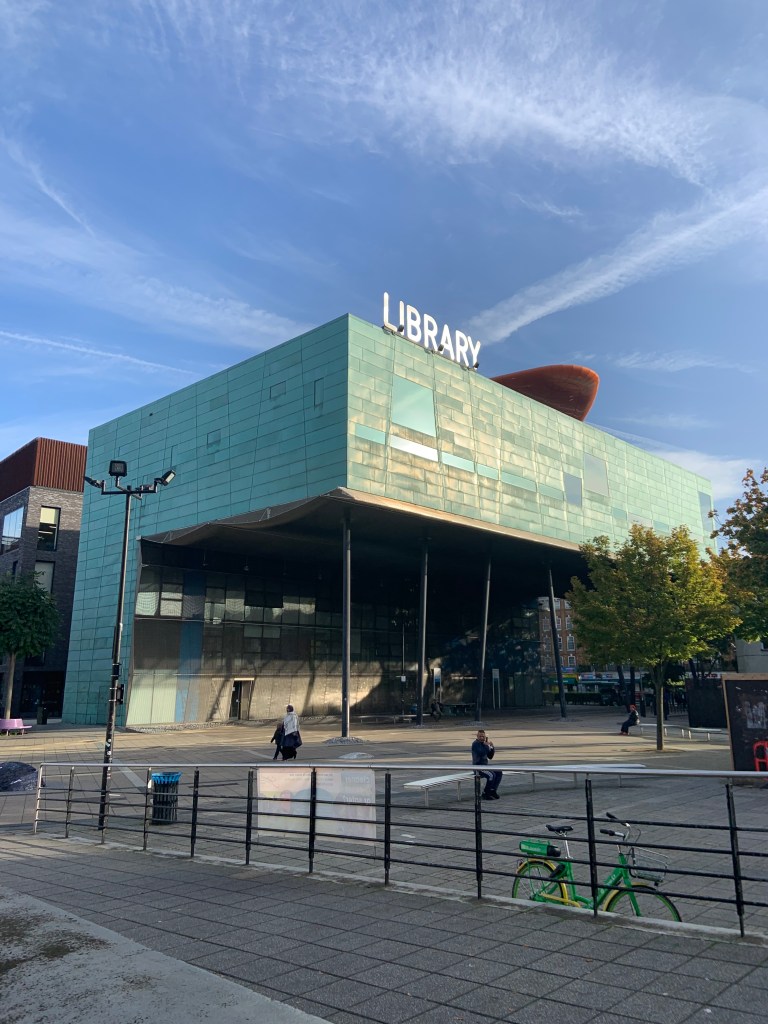
Peckham Library is an interesting building that won the Stirling Prize for Architecture in 2000. It has many features to explore and it is a public space which means I won’t have any issues accessing it. Most important for me is: the building has been designed with a lot of thought, and I’d rather study a building that has a purpose and it’s been well designed to serve the community rather than any space that may be useful, but may be less interesting. This building is interesting, useful, and is well designed.

Staircase at the back of the building
Steps leading to the main library, which is high above ground level
Main entrance area on the ground floor
Outside the library public space is maximised thanks to ‘upside down’ design of the building

Design a site like this with WordPress.com
Get started